
How NOAA Supports Abundant Fisheries
From the ocean’s depths to our unique coastal communities, the NOAA Fisheries mission of stewardship of marine life and ocean ecosystems is vital
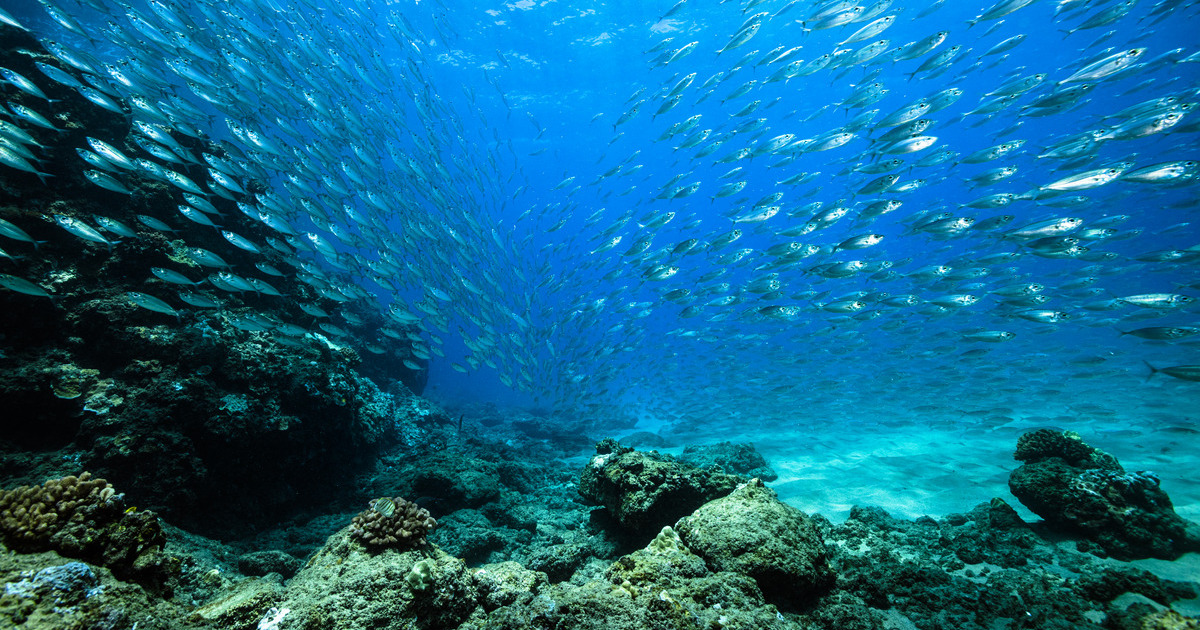
What do a school of cod in the Gulf of Maine, a humpback whale migrating down the West Coast and a coastal wetland along the Gulf Coast have in common? NOAA Fisheries, part of the National Oceanic and Atmospheric Administration (NOAA), conserves and manages these and many other ocean resources.
NOAA Fisheries—also called the National Marine Fisheries Service (NMFS)–is critically important for a healthy ocean and sustainable fisheries and provides services the American public relies on. NOAA Fisheries has a big mission: It is responsible for the stewardship of our nation’s ocean resources and their habitats.
NOAA Fisheries is a model for marine resource management around the world. Here are just some of the services that NOAA Fisheries delivers:
Keeping Fishing Sustainable
Effectively managing fisheries is what allows us to fish now and still conserve fish stocks and marine ecosystems for the future. NOAA Fisheries manages commercial and recreational fisheries in federal waters and plays a key role in management at the international and state levels. Sustainable management includes keeping catch within science-based catch limits, ending overfishing, rebuilding overfished stocks and preventing bycatch. While there is still room for improvement, NOAA Fisheries and its partners have rebuilt 52 fish stocks to healthy levels since 2000 and reduced overfishing to just 6% of stocks. Abundant fish stocks can pay dividends for commercial fishermen and anglers, for coastal communities and businesses and for the ecosystem.
Supporting Healthy Marine Ecosystems
Fish and other marine life need healthy habitats to thrive, also benefiting coastal communities and economies. NOAA Fisheries conserves and restores coastal and ocean habitats, such as wetlands and coral reefs, as well as rivers upstream. Restoration activities include removing culverts and dams that block fish passage and cleaning up after oil spills. Conserving habitats often means ensuring minimal damage to habitats from ocean activities—everything from fishing to marine construction. Through conserving habitats, NOAA Fisheries helps protect special places and ensure minimal damage to habitat from human activity.
Get Ocean Updates in Your Inbox
Sign up with your email and never miss an update.
Supporting Coastal Communities
NOAA Fisheries works to meet the needs of local fishing communities and other coastal communities to support sustained participation in fisheries and fishing livelihoods, cultural practices and local seafood economies. Better understanding the benefits and costs of changes to the management of local fisheries helps plan for uncertainty and change, improving safety at sea and responding to fisheries disasters.
Ensuring Safe and Sustainable Sources of Seafood
Americans rely on having access to fresh and safe seafood. NOAA Fisheries provides services to the seafood industry nationwide and abroad, including checking sanitation, inspecting fish and shellfish products, testing for contaminants, offering training and helping prepare seafood for export. When events like oil spills threaten the seafood supply, the program provides testing for safety. NOAA Fisheries also enforces laws and regulations, ensuring seafood entering the U.S. seafood supply complies with regulations that keep us safe and protect fish and other species.
Protecting Marine Mammals, Sea Turtles and Other Species
NOAA Fisheries protects and recovers marine species listed under the Endangered Species Act and conserves and manages marine mammals (whales, dolphins, porpoises, seals and sea lions) under the Marine Mammal Protection Act. It also manages sea turtles and responds to stranded and injured marine animals. NOAA Fisheries achieves these objectives in part through permitting, authorizing and consulting on activities and actions that could affect protected resources in order to limit impacts and ensure compliance with the law.
Delivering Cutting-Edge Science
NOAA Fisheries produces world-class science and research to support conservation and management decisions. This includes surveys that provide critical information about fish stocks, marine mammals and ecosystems. Some surveys are conducted on NOAA’s fleet of “white ships,” but others involve cooperative research with fishermen. NOAA Fisheries is also continually integrating cutting-edge new technologies, like uncrewed aerial systems (UAS) and Saildrones, and adopting innovative methods such as the use of environmental DNA (eDNA), which can detect the presence of animals in a body of water through water sampling.
NOAA Fisheries assessments help managers understand the status of fish stocks, including how many fish can be caught sustainably. NOAA Fisheries also produces valuable ecosystem and socioeconomic data that go into stock assessments and are considered in management decisions. For example, scientists track the development of marine heatwaves and the impacts observed in the ecosystem that can cause disruptions to fisheries.
Finally, NOAA Fisheries doesn’t function alone—it works with countless partners on science, management and conservation. From industry, state and local governments, Tribes, academic institutions, community groups and others, NOAA Fisheries touches communities throughout the nation.
Recommended Reads
