
STATEMENT: Deep-Sea Mining Threatens Alaska’s Ocean Future
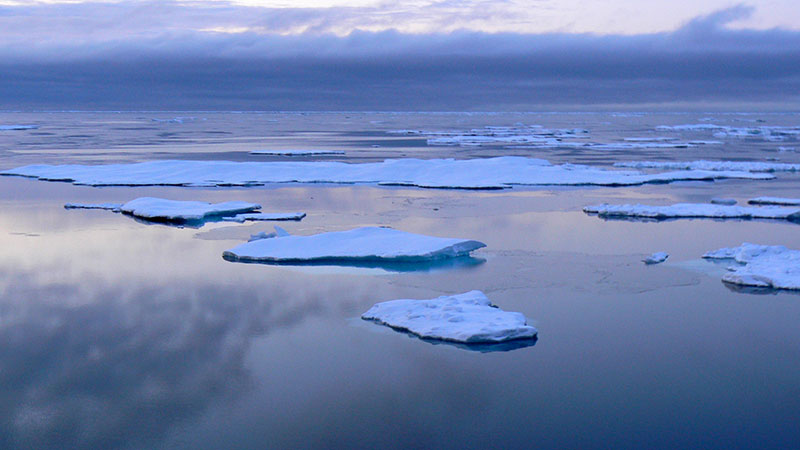
ANCHORAGE, Alaska – Today, the Bureau of Ocean Energy Management released a request for information (RFI) for deep-sea mining off Alaska’s coasts. The RFI area includes the Gulf of Alaska seamounts, the Aleutian Arc, Goodnews Bay and Norton Sound – waters which support salmon, halibut, crab and other species critical to Alaska Native peoples; coastal communities; and some of the largest fisheries in the world. The RFI also includes the Chukchi Borderlands and Canada Basin, areas almost entirely within the Central Arctic Ocean, the international waters surrounding the North Pole. Ocean Conservancy’s Senior Director of Arctic & Northern Waters Becca Robbins Gisclair released the following statement:
“This proposal targets the very waters that make Alaska’s fisheries world class. Deep sea mining in the proposed areas – many of which are protected habitat – should not even be on the table. We cannot trade Alaska’s food, cultures and economy for the new and risky endeavor of deep-sea mining, which we know threatens species both on the seafloor and throughout the water column.
“There is also a global threat in this request. Deep-sea mining in the Central Arctic Ocean is unprecedented and unworkable. This would be the starting gun for an international scramble to exploit this remarkable sea. Deep-sea mining is a losing proposition for Alaska, America and the world.”
###
ABOUT OCEAN CONSERVANCY
For more than 50 years, Ocean Conservancy has delivered effective, evidence-based solutions for the ocean and all who depend on it. Today, we continue to unite science, people and policy to protect our ocean from the greatest challenges it faces: climate change, plastic pollution and biodiversity loss. We are a 501(C)3 headquartered in Washington, D.C. that inspires a worldwide network of partners, advocates and supporters through our comprehensive and clear-eyed approach to ocean conservation. Together, we are securing a healthy ocean and a thriving planet, forever and for everyone. For more information, visit oceanconservancy.org, or follow us on LinkedIn, Facebook, X (formerly Twitter), Bluesky or Instagram.
Media Contact
Recommended Reads
