
STATEMENT: Controversial State Fishing Exemptions Would Damage Red Snapper Recovery
NOAA Fisheries Advances State Proposals That Could Allow Overfishing of Red Snapper
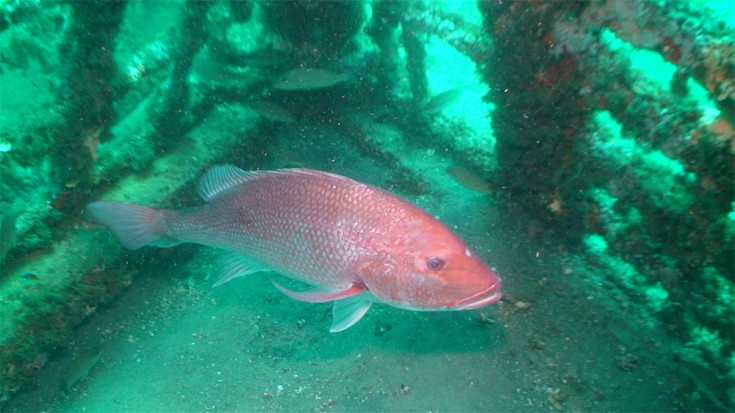
WASHINGTON – Today, NOAA Fisheries announced that they are accepting public comments on applications for Exempted Fishing Permits (EFPs) from Florida, Georgia, North Carolina and South Carolina. These permits propose to extend recreational fishing seasons for vulnerable red snapper in the South Atlantic. Overfishing drove the red snapper population to just 11% of its historical abundance; in response, seasons were reduced as part of a rebuilding plan set to last through 2044. These new exemptions risk undermining the progress made to restore this stock and allow sustainable fishing opportunities. Meredith Moore, Ocean Conservancy’s Senior Director of Fish Conservation, released the following statement in response:
“We have serious concerns about the sustainability of this extraordinary approach. Just last year, NOAA’s analysis showed that a two-day recreational fishing season was needed to prevent overfishing, and now they’re proposing months-long seasons with unproven data collection systems. Something doesn’t add up.
“Moreover, this is a gross abuse of America’s national fishery law, the Magnuson-Stevens Act. Exempted fishing permits are meant to support research, not bypass the science-based protections that keep our fisheries healthy and abundant. ”
###
ABOUT OCEAN CONSERVANCY
For more than 50 years, Ocean Conservancy has delivered effective, evidence-based solutions for the ocean and all who depend on it. Today, we continue to unite science, people and policy to protect our ocean from the greatest challenges it faces: climate change, plastic pollution and biodiversity loss. We are a 501(C)3 headquartered in Washington, D.C. that inspires a worldwide network of partners, advocates and supporters through our comprehensive and clear-eyed approach to ocean conservation. Together, we are securing a healthy ocean and a thriving planet, forever and for everyone. For more information, visit oceanconservancy.org, or follow us on LinkedIn, Facebook, X (formerly Twitter), Bluesky or Instagram.
Media Contact
Recommended Reads
