
NEWS: Alaska’s Trawlers Evade Accountability
Alaska Board of Fish Allows Trawlers to Fish on the Seafloor in Areas Closed to Bottom Trawling, Failing to Protect Important Habitats
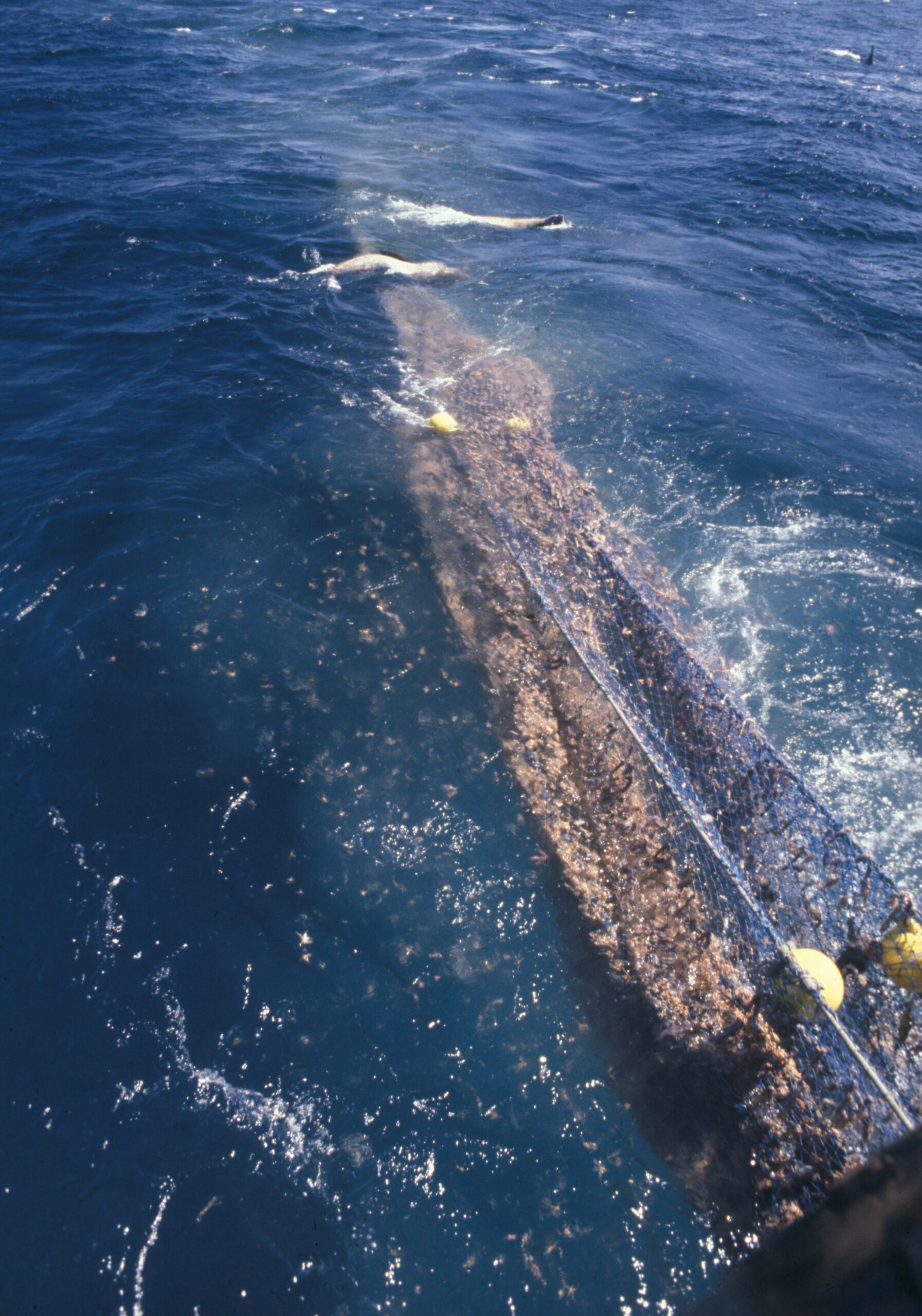
ANCHORAGE, Alaska – Today, Alaska’s Board of Fish failed to adopt any measures to protect critical seafloor habitats in Alaska state waters from trawling impacts. Bottom trawling is banned in 94% of Alaska state waters because of its destructive impacts on habitats critical for salmon, halibut, crab and other important species. “Pelagic” or “midwater” trawlers have been allowed to operate in areas where bottom trawling is banned, despite evidence that they are dragging their nets across the bottom 40% to 100% of the time.
“This failure to act turns its back on both science and the Traditional Knowledge that Indigenous peoples have carried for generations,” said Ocean Conservancy’s Vice President of Arctic and Northern Waters ‘Wáahlaal Gíidaak. “So-called ‘pelagic’ trawlers are scraping our seafloor bare, and we know it. Bottom trawling is banned in almost all of Alaska’s state waters for good reason. Dragging massive nets across the seafloor destroys the habitat that the ocean, and our communities, depend on. The ocean is a living being that has sustained our peoples since time immemorial. If we do not care for the ocean, the ocean cannot care for us. Ensuring that pelagic trawlers are not operating on the bottom is a simple, necessary step toward honoring that relationship and securing sustainable harvesting for generations to come.”
Proposals 163, 164 and 165 would have required pelagic trawlers to prove they are not dragging their nets across the bottom, required specific monitoring technology to prove that nets are not on the bottom, and required salmon excluders, a type of technology used to reduce salmon bycatch in the fishery, respectively.
Dragging trawling nets across the seafloor has been found to destroy up to 40% of marine plants and animals on the bottom with each pass, with habitats taking years to recover. Sponges and corals found in the Gulf of Alaska are even more fragile and can take decades or even centuries to recover from the effects of bottom trawling.
###
ABOUT OCEAN CONSERVANCY
For more than 50 years, Ocean Conservancy has delivered effective, evidence-based solutions for the ocean and all who depend on it. Today, we continue to unite science, people and policy to protect our ocean from the greatest challenges it faces: climate change, plastic pollution and biodiversity loss. We are a 501(C)3 headquartered in Washington, D.C. that inspires a worldwide network of partners, advocates and supporters through our comprehensive and clear-eyed approach to ocean conservation. Together, we are securing a healthy ocean and a thriving planet, forever and for everyone. For more information, visit oceanconservancy.org, or follow us on LinkedIn, Facebook, X (formerly Twitter), Bluesky or Instagram.
Recommended Reads
