
NEWS: New Tool Shows How Picking Up Plastic on Florida Beaches Protects Marine Life This Spring Break Season and Beyond
New Ocean Conservancy Calculator Uses Award-Winning Science to Estimate the Impact of Beach Litter on Manatees, Sea Turtles and Seabirds
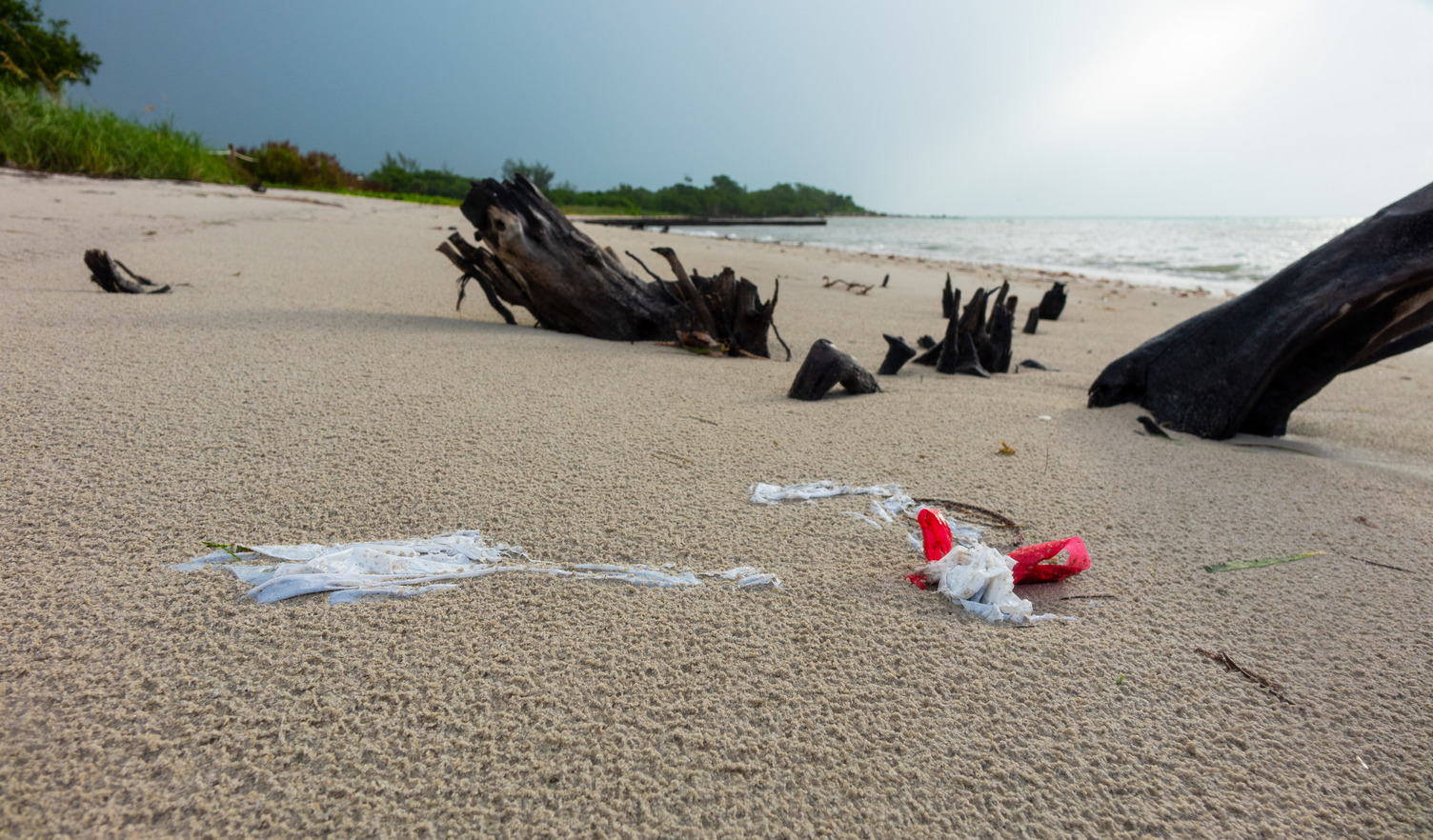
ST. PETERSBURG, Fla. – As spring break continues along Florida’s beaches, Ocean Conservancy launched a new online tool showing how removing plastic from shorelines can help protect marine wildlife. The Wildlife Impact Calculator allows users to enter the type and amount of plastic collected from beaches and waterways and see how many marine animals could have been at risk if that trash had been ingested.
The tool is based on award-winning peer-reviewed research led by Ocean Conservancy scientists and published last November in the Proceedings of the National Academy of Sciences that measured how plastic ingestion can be deadly for marine mammals, sea turtles and seabirds. It translates that research into an easy-to-use tool for anyone picking up plastic on beaches and waterways.
“Every piece of plastic removed from a beach makes a difference for the ocean animals that call Florida home,” said Ocean Conservancy’s Director of Florida Conservation Jon Paul “J.P.” Brooker, a sixth-generation Floridian, environmental lawyer and avid diver, surfer, and fisherman. “And for the first time, the Wildlife Impact Calculator makes that impact clear.”
Users can enter more than 20 types of plastic commonly found on beaches, including bottle caps, straws, fishing debris, plastic bags, and food wrappers, up to 9,999 pieces per item type.
Each year, tens of thousands of Floridians take part in Ocean Conservancy’s International Coastal Cleanup® (ICC), removing hundreds of thousands of pounds of trash from beaches and waterways around the state. During the 2024 ICC, volunteers in Florida collected more than 250,000 pounds of trash, including more than 100,000 bottle caps, nearly 100,000 cigarette butts and more than 31,000 food wrappers.
The research underlying the calculator found that relatively small amounts of ingested plastic can be lethal.
“We were shocked by how little plastic it takes,” said Dr. Erin Murphy, Ocean Conservancy’s manager of ocean plastics research and lead co-author of the study underlying the calculator. “Just a few bottle caps, bags or food wrappers really can be life or death for some creatures, which shows just how important cleanups are and how anyone can be part of the solution.”
An estimated 11 million metric tons of plastic enter the ocean each year, and more than 1,300 marine species have been documented ingesting plastic worldwide. In addition to ingestion risks, plastic pollution also leads to entanglement, microplastic exposure, and chemical toxicity — impacts that are not accounted for in the calculator.
While beach cleanups are essential, Ocean Conservancy also advocates at the local, state, federal and international levels to stop plastic from getting into the ocean in the first place. This includes Florida’s balloon release ban, the Farewell to Foam Act, the UN Plastics Treaty and more.
Spring Break Crowds Put Coastal Cleanup Efforts in Focus
Ocean Conservancy encourages beachgoers to take a few minutes while they are on the sand to help track and reduce plastic pollution.
“I am lucky to spend a lot of time at the beach, and there’s no doubt that the trash is more noticeable during the Spring Break season,” said Maggie Winchester-Weiler, a marine biologist and senior manager of Ocean Conservancy’s Florida conservation program. “But I’ve also seen how many young people care deeply about this issue and are rallying for change. This calculator is another tool in their toolbox.”
Based in Miami, Winchester-Weiler has led Ocean Conservancy’s Plastic Free Cities program, a leadership program for Florida youth that has led to the prevention of 1.2 million single-use plastic items annually in Miami-Dade County since its launch in 2022.
Beachgoers can use Ocean Conservancy’s CleanSwell app to log the items they pick up on the beach, then enter those totals into WildlifeImpactCalculator.org to see how many animals they helped protect with their efforts. Ocean Conservancy encourages results to be shared on social media by tagging Ocean Conservancy channels.
The information collected through CleanSwell feeds into Ocean Conservancy’s TIDES database, which contributes to plastics research and advocacy, including in Florida such as Florida’s balloon release ban and smoking bans on beaches.
You can find photos and videos of cleanups, plastic pollution and marine life HERE.
Learn more about the research underpinning the calculator HERE.
You can find an FAQ page HERE.
###
ABOUT OCEAN CONSERVANCY
For more than 50 years, Ocean Conservancy has delivered effective, evidence-based solutions for the ocean and all who depend on it. Today, we continue to unite science, people and policy to protect our ocean from the greatest challenges it faces: climate change, plastic pollution and biodiversity loss. We are a 501(C)3 headquartered in Washington, D.C. that inspires a worldwide network of partners, advocates and supporters through our comprehensive and clear-eyed approach to ocean conservation. Together, we are securing a healthy ocean and a thriving planet, forever and for everyone. For more information, visit oceanconservancy.org, or follow us on LinkedIn, Facebook, X (formerly Twitter), Bluesky or Instagram.
Media Contact
Recommended Reads
