
NEWS: West Coast Fishing Communities at Risk as Developing Super El Niño Threatens Key Fish Stocks, Livelihoods
Similar 2015-2016 Super El Niño Required More Than $141 Million in Fisheries Relief, Killed Millions of Seabirds, Seals and Other Iconic American Animals
SANTA CRUZ, Calif. – With the National Oceanic and Atmospheric Administration (NOAA) reporting soaring Pacific Ocean temperatures and predicting one of the strongest Super El Niños in recorded history, Ocean Conservancy experts warn that the U.S. is woefully unprepared for the threat of historic impacts on fragile species and the devastating blow to American fisheries that will likely result.
Super El Niño ‘Could Upend How Entire Species Live’
An El Niño is declared when Pacific Ocean temperatures are 0.5 degrees Celsius above the norm; current temperatures are already twice that. Marine heatwaves that often come with Super El Niños suppress ocean nutrients, allow toxic algae to flourish and disrupt entire food webs, with impacts worsening as the temperature rises.
During the lethal 2015-2016 Super El Niño, krill – a tiny crustacean and keystone species that underpins the diets of countless fish, marine mammals and seabirds – were the first to disappear. Soon after, toxic algae bloomed in Pacific waters, and the coast saw withering kelp forests, massive seabird die-offs, whale deaths and entanglements, and starving sea lion pups.
“El Niño can fundamentally change whole ecosystems, and we could be headed for one of the strongest in history,” said Ocean Conservancy’s Fisheries Policy Manager and marine ecologist Dr. Elizabeth Cerny-Chipman. “When critical species like krill take a hit, we see starvation in animals like fish, sea lions, sea birds and whales. But we also see fatal behavior changes, like new migration patterns that cause whale entanglements and sea lion strandings. An El Niño this strong could upend how entire species live.”
Critically, the President’s fiscal year 2027 budget proposed draconian cuts to NOAA, the agency tasked with monitoring these impacts and rescuing marine mammals in distress. The agency has already had to cut more than 1,000 staffers, and the President’s budget proposes eliminating West Coast ecosystem monitoring programs, ocean monitoring buoys that detect marine heatwaves and other critical El Niño warning systems.
Devastating Blow to American Fisheries
Based on past events, Ocean Conservancy predicts devastating impacts from this year’s Super El Niño to the West Coast fishing industry, which harvests nearly $1 billion of seafood each year. During the 2015-2016 Super El Niño, the collapse of the marine food web caused disasters in West Coast salmon, crab, sardine and sea urchin fisheries that cost more than $141 million. The Magnuson-Stevens Fishery Conservation and Management Act – the country’s primary law governing fishing in federal waters – defines ‘fishery resource disasters’ as large, unexpected events that result in significant revenue losses in a fishery or negatively impact subsistence communities.
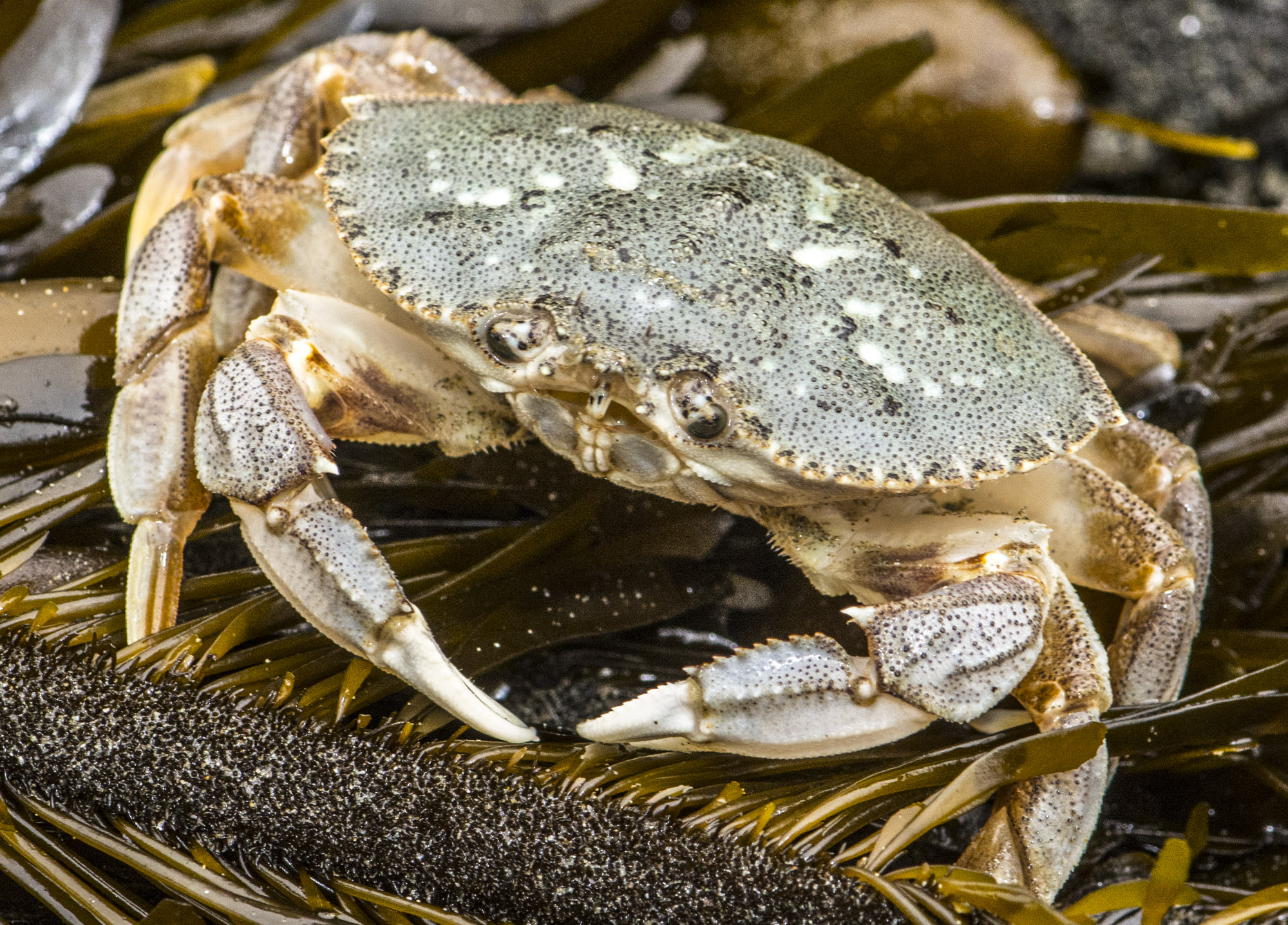
Unfortunately, some of the most valuable West Coast fisheries are also some of the most vulnerable to climate change. For example, the West Coast Dungeness crab fishery produces $200 million in annual revenue and is among the species most threatened by this year’s Super El Niño. In California alone, researchers found that 71% of Dungeness fishing boats stopped fishing for at least part of the 2015-2016 marine heat wave.
“El Niño’s fuse has been lit and we don’t have much time to prepare,” said Anthony Rogers, a fisheries economist and senior fellow of fisheries economics and climate at Ocean Conservancy. “The 2016 El Niño was bad, but this is shaping up to be worse: temperatures are up, the seafood economy is down and disaster relief still has the same problems it did then.”
Historically, fisheries disasters are expensive: The federal government has spent more than $2 billion on fisheries disasters since 1991 and fishermen suffered more than $3 billion in lost income through 2020.
A Disastrous Disaster Relief Program
Most fishermen have no way to prepare for a Super El Niño of this magnitude. To compensate for losses in fisheries vulnerable to warming waters, many fishermen now fish for more than one species in a year; but with temperatures this warm and entire ecosystems at risk, that is no longer a safe bet. For example, many Dungeness crab fishermen also fish for salmon – both of which can be hit hard by the effects of an El Niño.
In 1996, Congress reauthorized the Magnuson-Stevens Act and created a disaster relief program administered by NOAA to keep fishermen afloat when an environmental disaster causes fish stocks to collapse. But the program is flawed – disaster relief often comes too late for fishermen, with Congress taking years to approve disaster payments. For example, after a 2019 Washington salmon fishery disaster, fishermen had to wait six years to get paid. It took two years to submit the request, another two for Congress to appropriate the funds and another two to distribute them.
With this year’s Super El Niño gathering strength and fishery disasters almost certain, Ocean Conservancy experts are recommending that Congress find a way to appropriate funding for fishery disasters associated with this Super El Niño before they happen. Making sure that funding is available when disaster strikes is a key reform that could accelerate relief by months or years. Additional goals should include identifying probable aid recipients ahead of time and targeting aid to ensure that fisheries remain sustainable far into the future. In addition to destabilizing ecosystems, the collapse of fish stocks can devastate entire communities. Fishery disasters mean lost income not only for fishermen, but also processors, deckhands and others who help with the harvest. Support that more comprehensively includes these related economic sectors can help keep local economies afloat.
“This is going to test how ready our fisheries are for the increasing impacts of climate change, and I worry we are going to fail,” said Ocean Conservancy’s Vice President of Conservation Chris Dorsett, a lawyer who specializes in marine fisheries and environmental law. “Healthy fish are essential for a healthy ocean. Without them, ecosystems would collapse, seafood prices would skyrocket and coastal communities would wither. We are deeply concerned about how this year’s Super El Niño will change our ocean and what it means for fish stocks in warming waters. We can’t stop El Niño, but we must prepare for it.”
As the climate rapidly changes and disasters become more common, fisheries management needs to do more to help fish and people bounce back. Ocean Conservancy recently identified nearly thirty management actions that could be taken in the next two years to improve the resilience of fish populations.
###
ABOUT OCEAN CONSERVANCY
For more than 50 years, Ocean Conservancy has delivered effective, evidence-based solutions for the ocean and all who depend on it. Today, we continue to unite science, people and policy to protect our ocean from the greatest challenges it faces: climate change, plastic pollution and biodiversity loss. We are a 501(C)3 headquartered in Washington, D.C. that inspires a worldwide network of partners, advocates and supporters through our comprehensive and clear-eyed approach to ocean conservation. Together, we are securing a healthy ocean and a thriving planet, forever and for everyone. For more information, visit oceanconservancy.org, or follow us on LinkedIn, Facebook, X (formerly Twitter), Bluesky or Instagram.
Media Contact
Recommended Reads
