
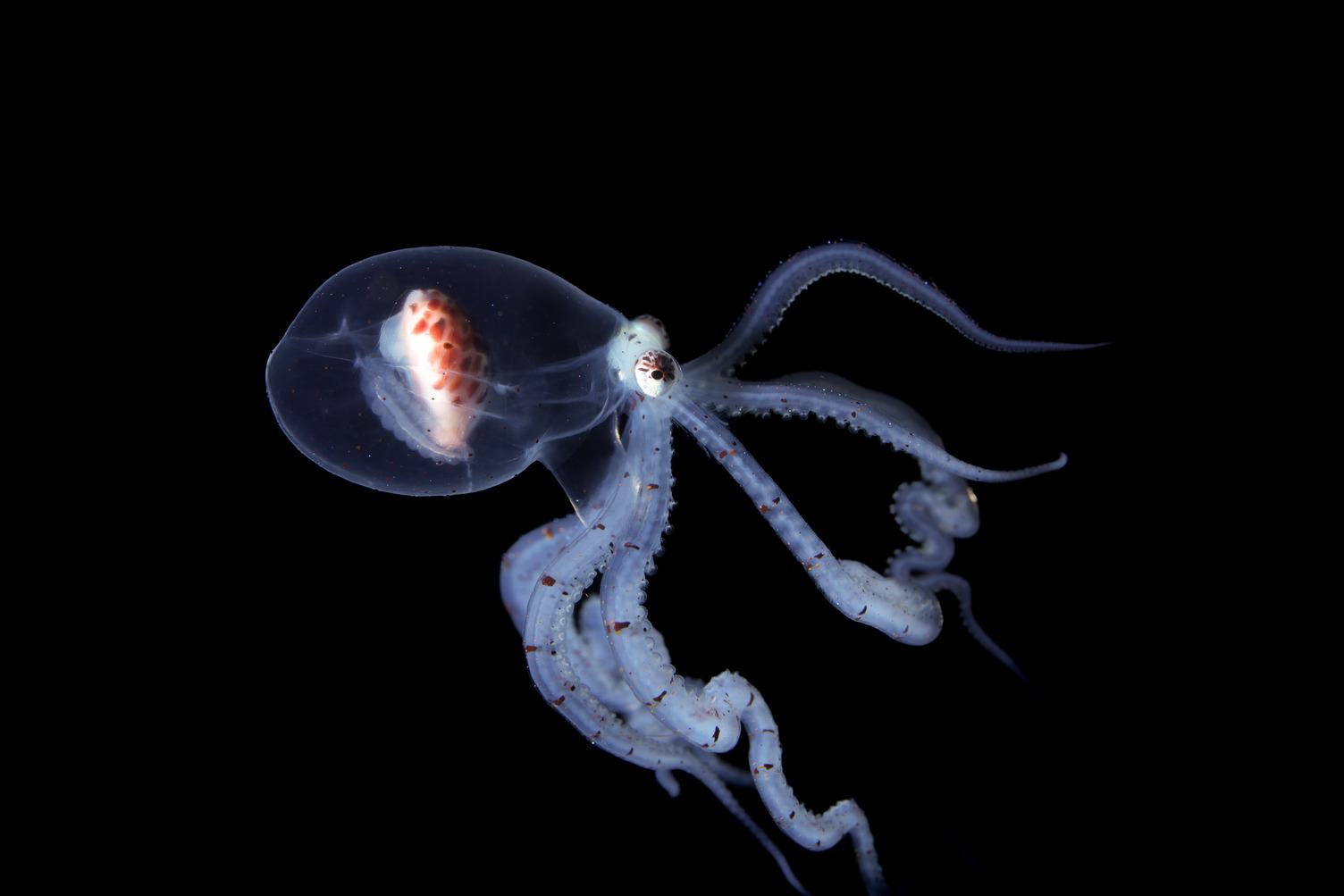
Mesopelagic Zone
Mesopelagic Zone Conservation Challenge
From Twilight to Spotlight: Protecting the mesopelagic zone for ocean health, food security, biodiversity and climate stability
The Mesopelagic Zone Conservation Challenge is a global call for tangible actions that protect a critical part of the ocean: the ocean twilight zone or mesopelagic zone. By joining this voluntary initiative governments commit to supporting actions that advance the protection of biodiversity and the ocean’s biological carbon pump, support sustainable fisheries and the blue economy, enhance community resilience and improve scientific understanding of mesopelagic ecosystems with information accessible to all nations.
Participating governments will resolve to:
-
- Apply a precautionary approach to any fishing or other potentially harmful activities targeting or impacting mesopelagic species,
-
- Advance scientific understanding of mesopelagic community structure, function and ecosystem services,
-
- Establish robust management frameworks to ensure any future activities are sustainable, transparent and consistent with international obligations, and
-
- Advocate for the inclusion of mesopelagic language recognizing the importance of the mesopelagic zone and need for a precautionary management approach in outcome documents of relevant multilateral processes.
What is the mesopelagic zone?
The mesopelagic zone, also known as the “ocean twilight zone”, includes the portion of the water column that spans from 200 to 1,000 meters beneath the ocean surface. The mesopelagic zone provides a critical link between surface waters and the abyss. Though it contains only 20% of the ocean’s volume, according to some estimates, it is home to upwards of 90% of the ocean’s fish biomass.
Why is the mesopelagic zone important?
-
- Unique biodiversity: A vast number of species have evolved in this dynamic environment. Scientists have only catalogued a fraction of mesopelagic zone species.
-
- Critical food supply: Tunas, swordfish, sharks, marine mammals, seabirds and many others rely on mesopelagic zone-dwelling fish, such as, squids, jellyfish and shrimp, for food.
-
- Climate regulation: Every night, in the largest known migration of animals on the planet, millions of mesopelagic zone species rise to the surface to feed, collecting carbon that they then carry back to the deeper ocean. This “biological pump” moves an estimated 2-6 gigatons of carbon a year, which is double the emissions of all cars worldwide. About 90% of that carbon remains in the mesopelagic zone. The rest sinks into the deep ocean to be locked away for hundreds or thousands of years, preventing it from re-entering the atmosphere.
Why is action needed?
-
- Expanding fisheries into the mesopelagic zone could damage the ocean ecosystem, impact the sustainability of commercially important fisheries and reduce climate resilience.
-
- Pressure on this critical region is rising. Important commercial stocks of pelagic fish, such as anchoveta, used for fish meal and fish oil, are declining or shifting due to climate change. Mesopelagic species such as lanternfish (which account for 60% of all deep-sea fish, totaling about 600 million tons of biomass across the ocean) are rich in omega-3 fatty acids, making them attractive replacements for the aquaculture, pet food and health supplement industries.
-
- The mesopelagic zone is already directly impacted by the effects of climate change, including warming waters and deoxygenation and other industrial activities could pose additional threats.
-
- Experts have identified the need to address management gaps for this area to ensure it can continue to support important ecosystem services. We need to ensure the communities that live in the mesopelagic zone can continue to thrive.
To join the Mesopelagic Zone Conservation Challenge, or to receive more information, please contact:
-
- Luis Estévez-Salmerón, Associate Director, International Government Relations, Ocean Conservancy
-
- Chris Dorsett, Vice President, Conservation, Ocean Conservancy