
Plastics Research
Ocean Conservancy is leading cutting-edge research to understand and measure the impacts of plastic pollution to inform science-driven solutions.
Ocean Conservancy generates the scientific evidence needed to drive systemic change. Our plastics research team advances understanding of the scale, impacts and solutions required to address plastic pollution. Our work spans the full breadth of the ocean plastics issue: from microplastics to macroplastics, from inland to the open ocean and from wildlife to human communities. By leveraging our global research network, we inform evidence-based interventions that prevent plastics from reaching the ocean in the first place.
Wildlife Impact Calculator
Wildlife
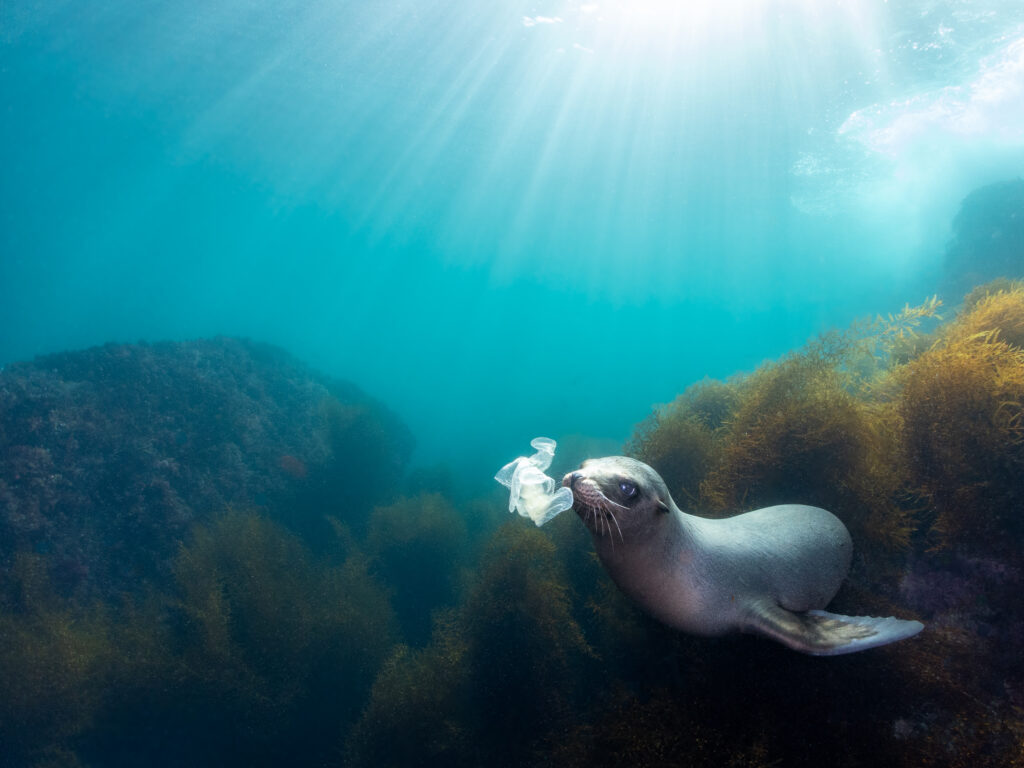
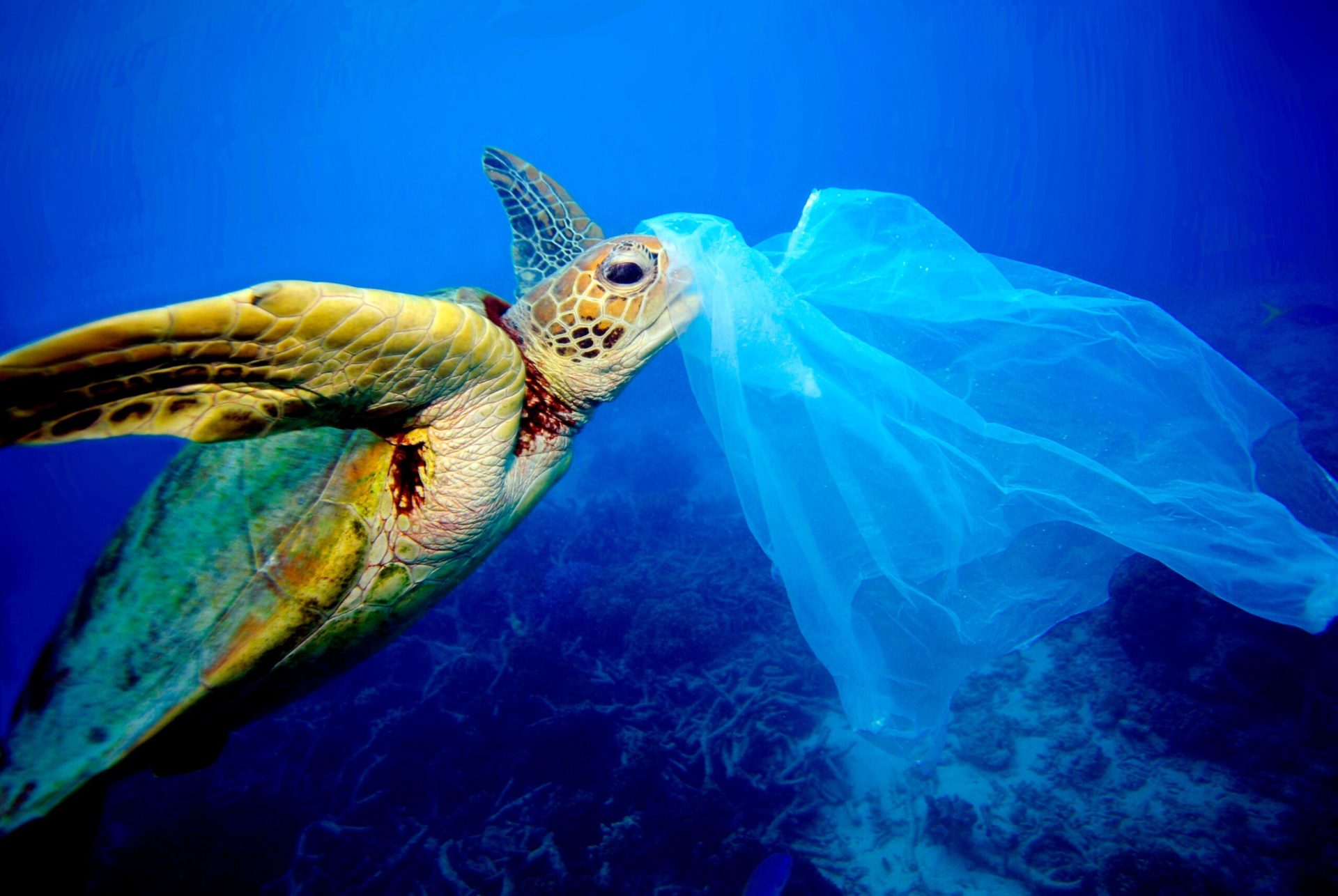
We conduct research to quantify the effects of plastic pollution on marine life, including entanglement and ingestion, and develop tools that translate our science into action.
Ongoing Projects:
- Global Evaluation Tool for Ocean Plastic Solutions:
Plastic pollution poses a significant threat to marine biodiversity, with ingestion and entanglement documented in more than 1,300 marine species. Our team is leading an international working group of researchers to develop a risk assessment framework for macroplastic ingestion and entanglement and apply it to evaluate risk to marine megafauna through a series of case studies. - Entanglement risk:
Plastic entanglement is a major threat to ocean animals, often causing serious injury or death. To better understand the ecological risks it poses, our team is studying how likely environmental plastics are to harm marine wildlife. We are currently working to identify the types of plastic most likely to cause entanglement as well as the species most vulnerable to its impacts. - Ingestion Monitoring Protocols:
We are developing a standardized monitoring and reporting protocol to assess injury and acute mortality resulting from plastic ingestion in marine animals, ensuring that the data collected can effectively inform future risk assessments. To maximize its impact, we are aligning these methods with existing standards so they can be seamlessly integrated into ongoing monitoring efforts.
Published research:
- Quantitative impacts of macroplastic ingestion:
Plastic ingestion is a known cause of death in ocean animals, yet the risk it poses is still poorly understood. Based on data from more than 10,000 necropsies, we estimated the likelihood of mortality due to the amount of plastic in an animal’s gut for seabirds, marine mammals, and sea turtles, finding 6 to 405 pieces of ingested macroplastic (or a volume between 0.044 and 39.89 cm3/cm body length) lead to a 90% chance of mortality in these marine species. When we looked at different plastic materials–hard, soft, rubber, fishing debris– we found that the amount varies depending on plastic types ingested and taxon.

People
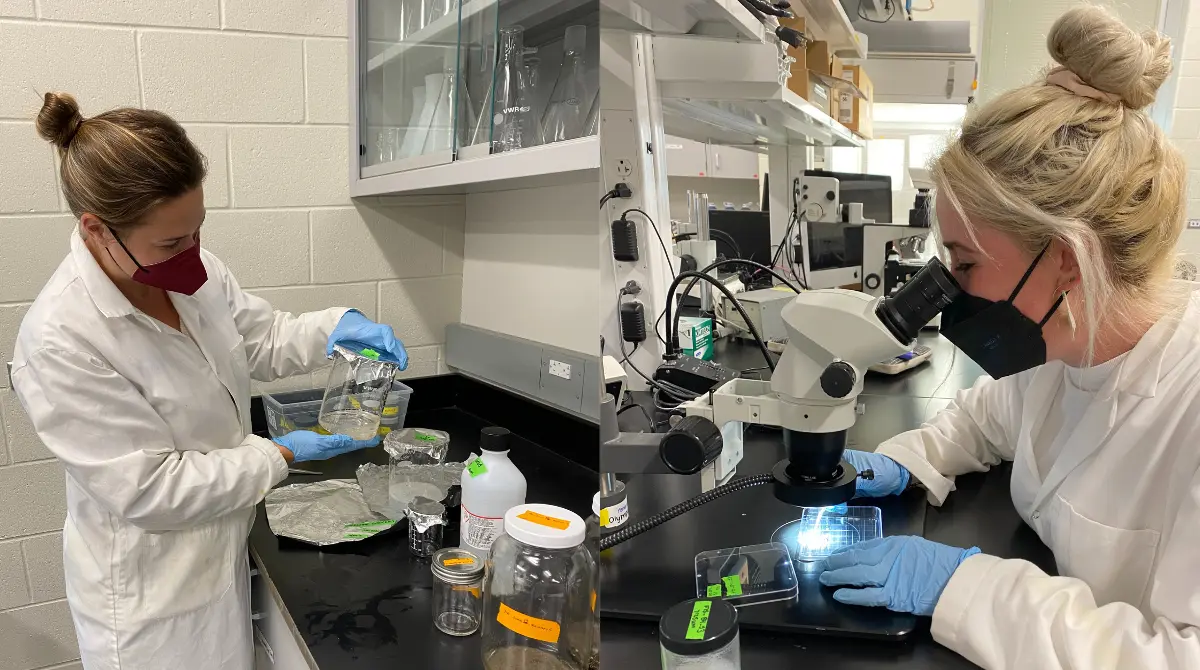
We investigate the interaction between plastic pollution and people, including public knowledge and perceptions of the issue, social costs and human exposure to microplastics.
Ongoing Projects:
- Understanding public knowledge and perceptions of plastic pollution and microplastics:
To better understand public understanding of plastic pollution and microplastics, Ocean Conservancy regularly administers a national survey examining how people perceive both the causes and consequences of plastic pollution, support for policy solutions, and responsibility to address the problem. We analyze and synthesize these data to identify trends over time, tracking how attitudes and behaviors evolve as plastic production and pollution continue to increase. - Social cost of plastic pollution:
Social cost frameworks help quantify the full range of financial harms caused by plastic pollution. Through this body of work, we are developing a novel social cost framework for plastic pollution and applying it in targeted case studies to support evidence-based policy decisions and identify cost-effective prevention and mitigation strategies.
Published research:
- Microplastics in the human food system:
To better understand human plastic exposure and inform human health risks related to microplastics, we conducted an analysis of microplastic contamination in 16 commonly-consumed protein products in the United States, including seafood, meats, and plant-based proteins. Microplastics were detected across all protein types, with processing level influencing contamination rates, and adult exposure from consuming these proteins reaching up to 3.8 million microplastics per year.
Prevention
We advance understanding of the sources, transport and fate of plastic pollution to support effective, place-based solutions and measure their impact.
Ongoing Projects:
-
- Tracking trash from land to sea:
Understanding how plastics move through river systems is critical to better predict plastic transport from land to sea. Through this multi-year research effort, our scientists are working with leading research groups around North America to investigate the movement of floating plastic in seven major waterways across North America. - Tire and road wear particles:
Green infrastructure has shown great promise in its ability to sequester anthropogenic contaminants, including microplastics, from road runoff – preventing emissions into stormwater and ultimately, downstream. Ocean Conservancy and University of Toronto are working to evaluate the costs and benefits of city-wide implementation of green infrastructure to capture tire and road wear particles, and to produce a public-facing practitioner’s toolkit for implementation; in doing so, we hope to enable progress towards scalable solutions that mitigate tire wear pollution. - Waste management infrastructure in American Samoa:
In partnership with local groups in American Samoa and Arizona State University, Ocean Conservancy is working on implementing a comprehensive waste reduction initiative on Tutuila, American Samoa. This effort includes installing trash booms and stormwater traps in streams and bays, installing two commercial-grade balers to compact aluminum cans and plastic bottles, and working closely with local organizations to identify barriers to effective waste management.
- Tracking trash from land to sea:
Published research: