
What are Tire Wear Particles?
Discover how green infrastructure can help protect wildlife from this common type of microplastic
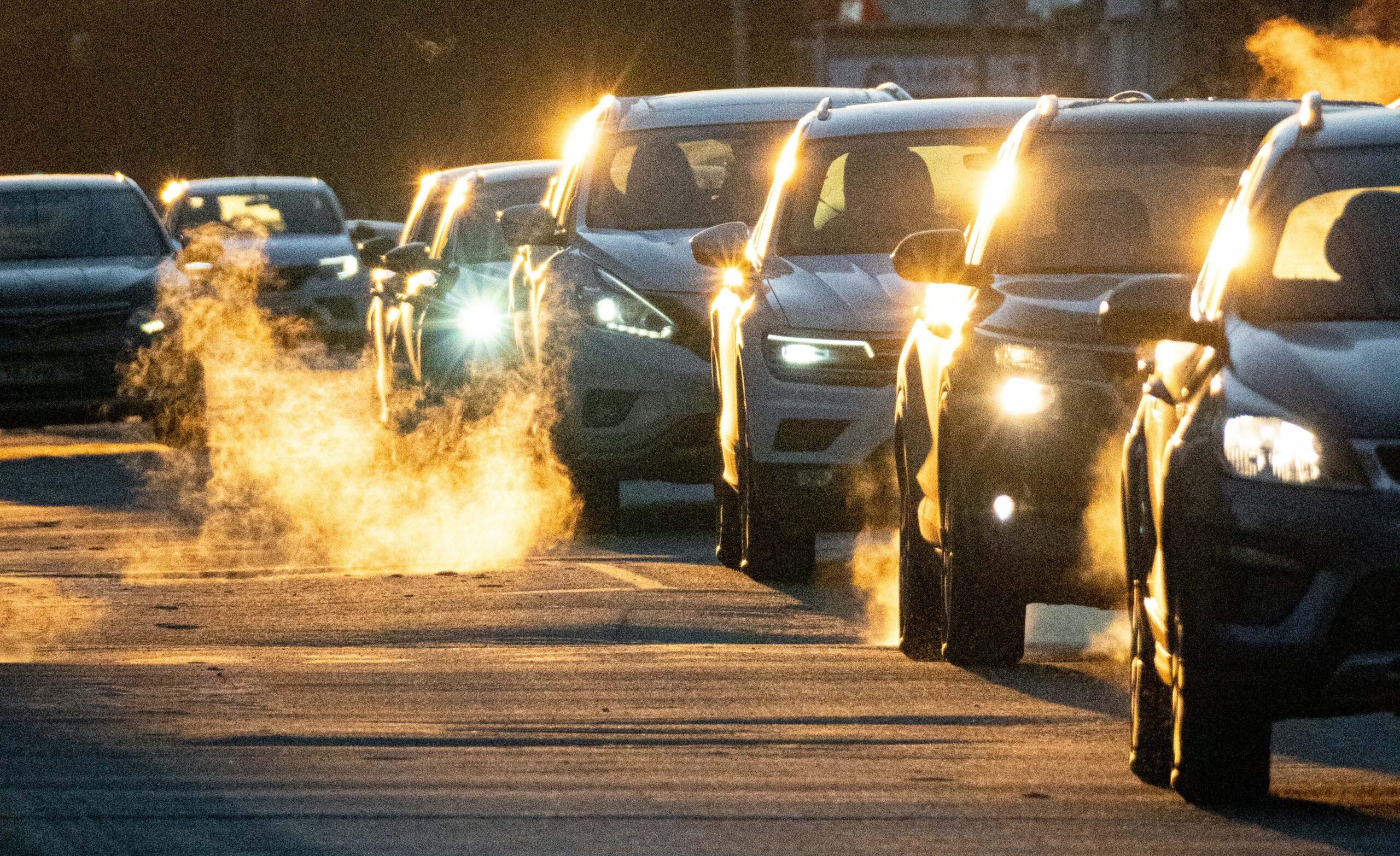
What do you think about when you hear the words “microplastic pollution?” Your mind may immediately go to imagery of colorful fragmented plastics broken off from bottles, buckets and other items we use in our everyday lives. Or, perhaps, you imagine a pile of microplastic fibers—the tiny, squiggly, spaghetti-shaped plastics that shed from our synthetic clothing. You may be surprised to hear there is another major source of microplastic pollution that’s hiding in plain sight, quite literally under our feet, that might change how you think about microplastics: tire particles.
We all know tires wear down over time—that’s why we have to replace them on our cars roughly every 60,000 miles or so. Every time a vehicle accelerates, brakes or simply drives down the road, the friction between its tires and the pavement creates tiny fragments of rubber, known as tire wear particles.
Driving a car or even riding in a bus is a bit like dragging an eraser across the planet, except the crumbs are microplastics. Toxic microplastics.
Tires are made from a complex mix of natural and synthetic rubber along with a range of additives, fillers and chemical compounds—some of which, like the preservative 6PPD, have been shown to be highly toxic to coho salmon when they break down into derivative product 6PPD-Q in the environment—even in tiny concentrations.
Some studies have shown that a single vehicle’s tires can emit more than two trillion particles per mile driven—and that the average person generates nearly two pounds of tire particles per year! Once these particles are shed from tires, they don’t just disappear. Some are small and light enough to become airborne, drifting away from roadways as dust. Others settle on road surfaces, where they accumulate until the next heavy rain washes them into storm drains and from there, into streams, rivers and eventually the ocean.
That’s why tire wear particles are now considered one of the top sources of microplastics to the environment. In fact, until recent developments in analytical methods, scientists weren’t reliably able to detect tire wear particles in microplastic counts—thus, these pesky microplastics may have been evading our detection for years.
Why green infrastructure may be one of our best near-term solutions
Unlike some sources of plastic pollution, we can’t simply stop driving overnight. Reformulating tire rubber to be less toxic or shed less material, while promising, will take time to develop, test and scale across the global vehicle fleet. So, what can we do about tire wear particle pollution right now?
This is where green infrastructure comes in. Green infrastructure refers to engineered natural systems (things like bioswales, rain gardens, roadside buffers and permeable pavement) that are designed to slow down, filter and treat stormwater before it reaches rivers, lakes and coastlines. Instead of routing runoff directly into storm drains and out to sea, green infrastructure gives contaminated water a chance to percolate through soil, plants and other natural filtration media, which helps trap microplastics, including tire wear particles, preventing them moving further downstream.
Early research on green infrastructure has been promising, showing that these systems are quite effective at capturing microplastics and other contaminants carried in road runoff. But there’s a critical piece we still don’t fully understand: What would it take to scale up green infrastructure across an entire city, and how much of a dent would that actually make in long-term tire wear particle pollution?
Our research on green infrastructure capture of tire wear particles
Funded by the Tire Industry Project, our plastics science and policy teams at Ocean Conservancy have partnered with the University of Toronto on a new study evaluating the costs and benefits of scaling up green infrastructure at the city level specifically to capture tire wear particles.
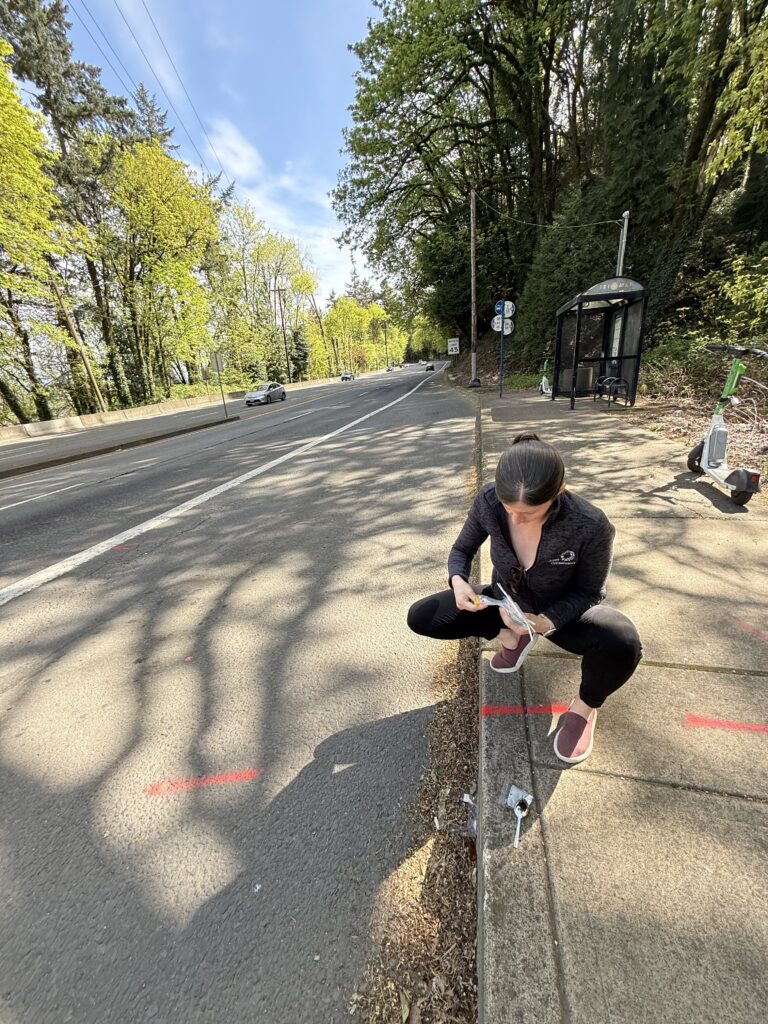
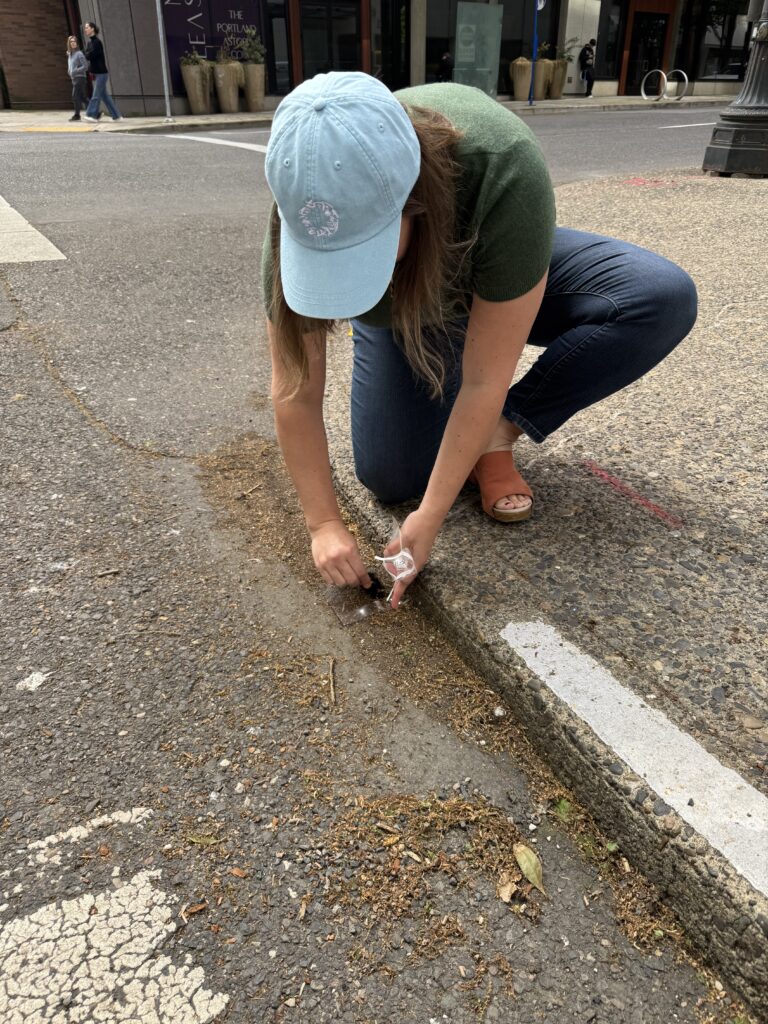
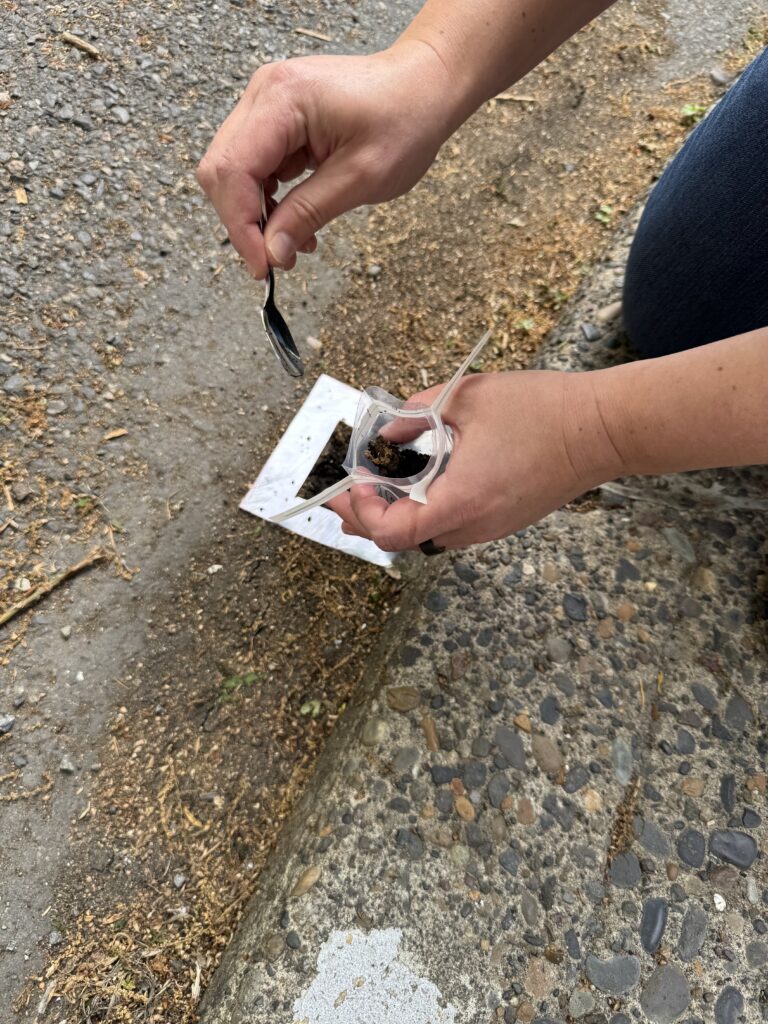
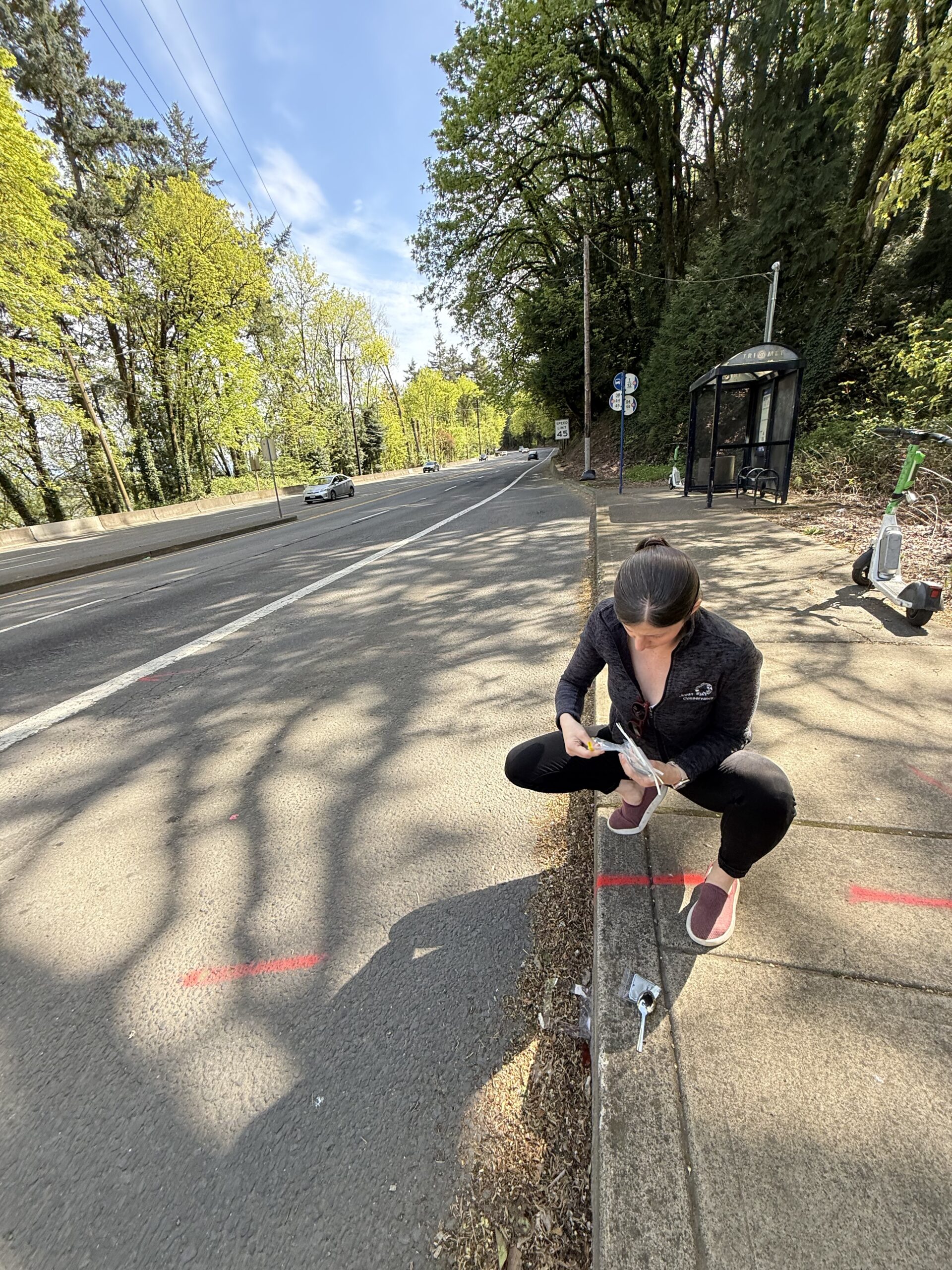
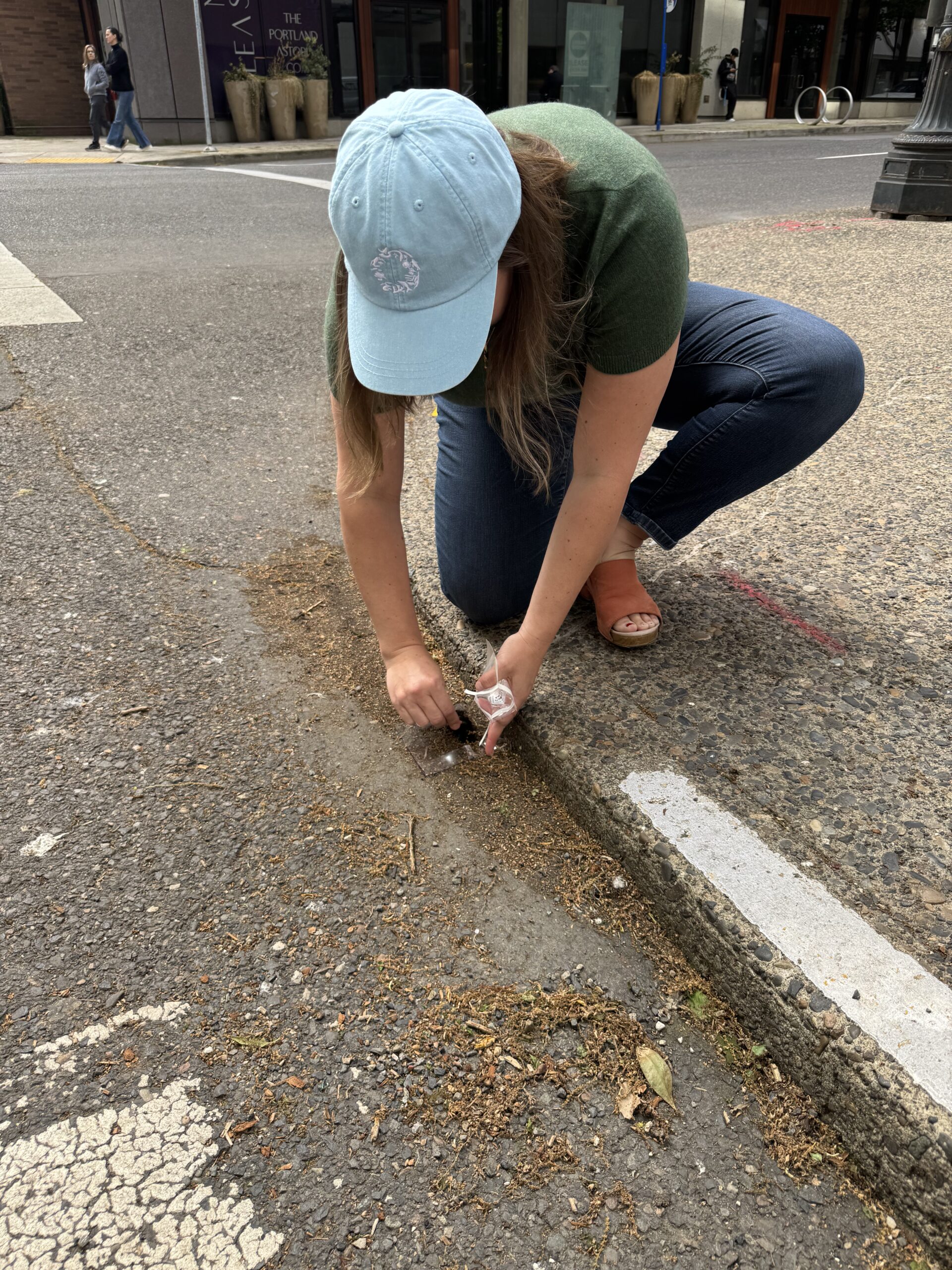
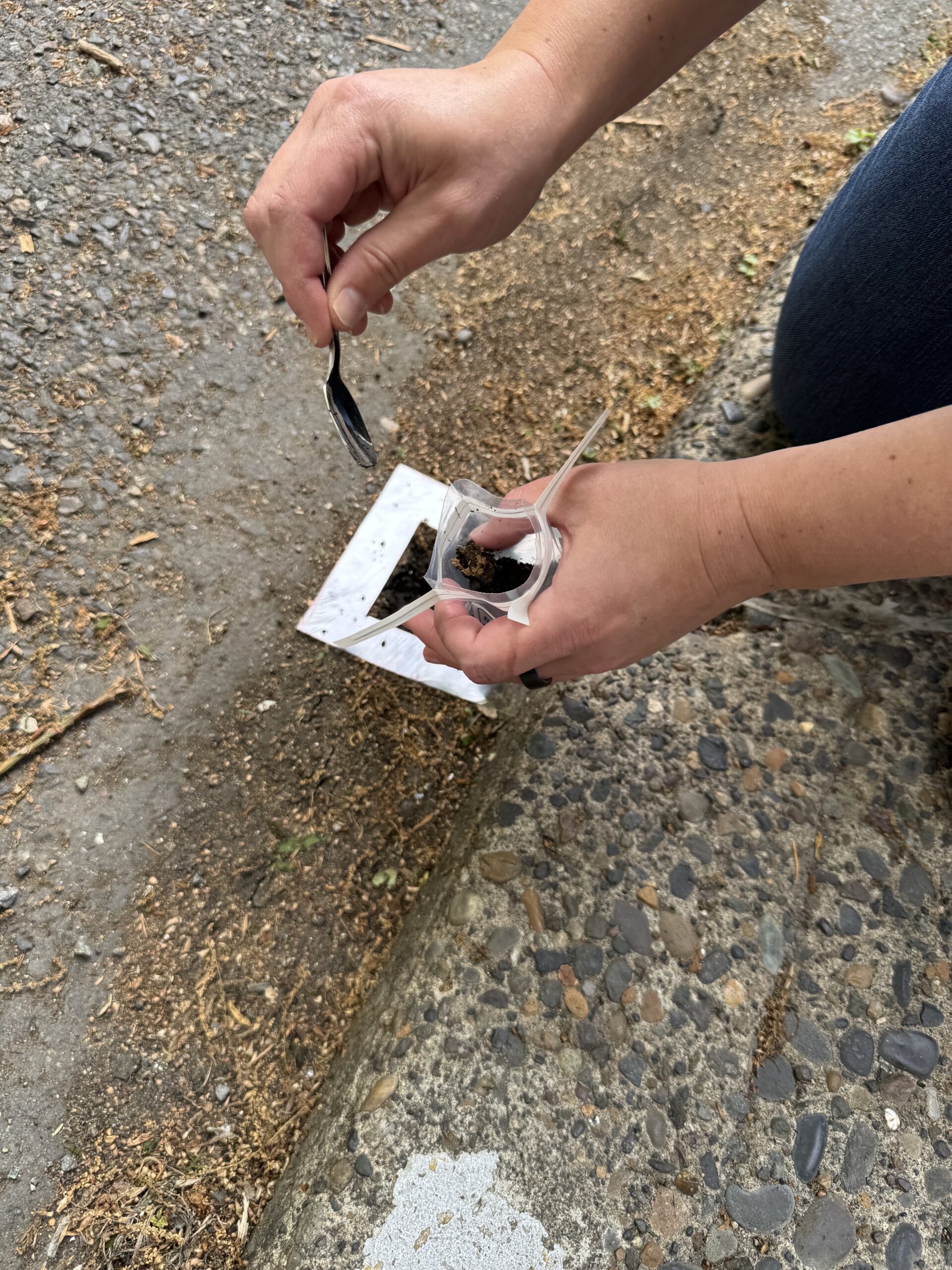
If you happen to be driving on the roadways of Portland, Oregon, you may spot our scientists crouched over, precariously scooping dirt with spoons from a sample area on the roadside. Don’t be alarmed—that’s just us doing science! Feel free to give us a wave.
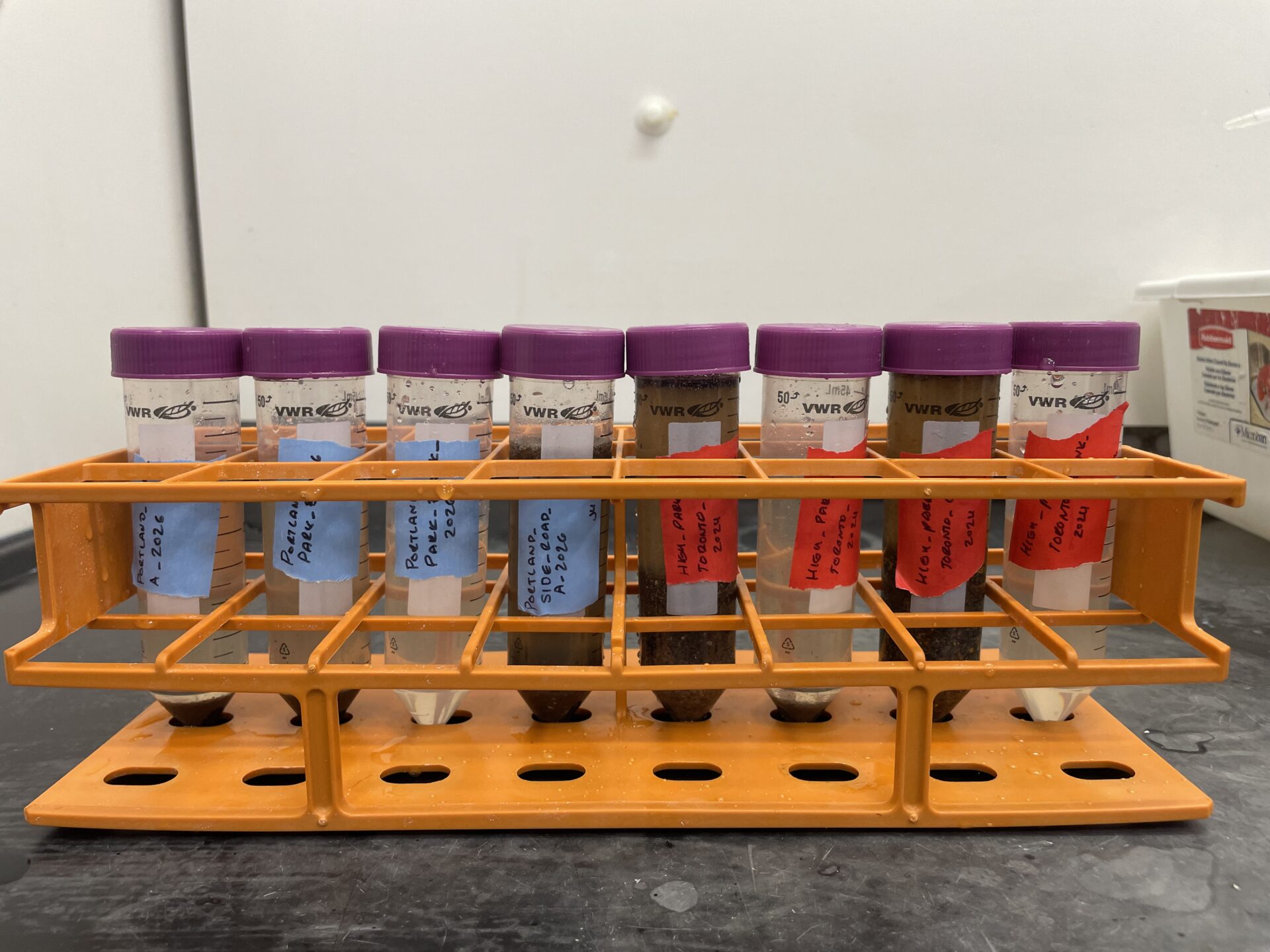
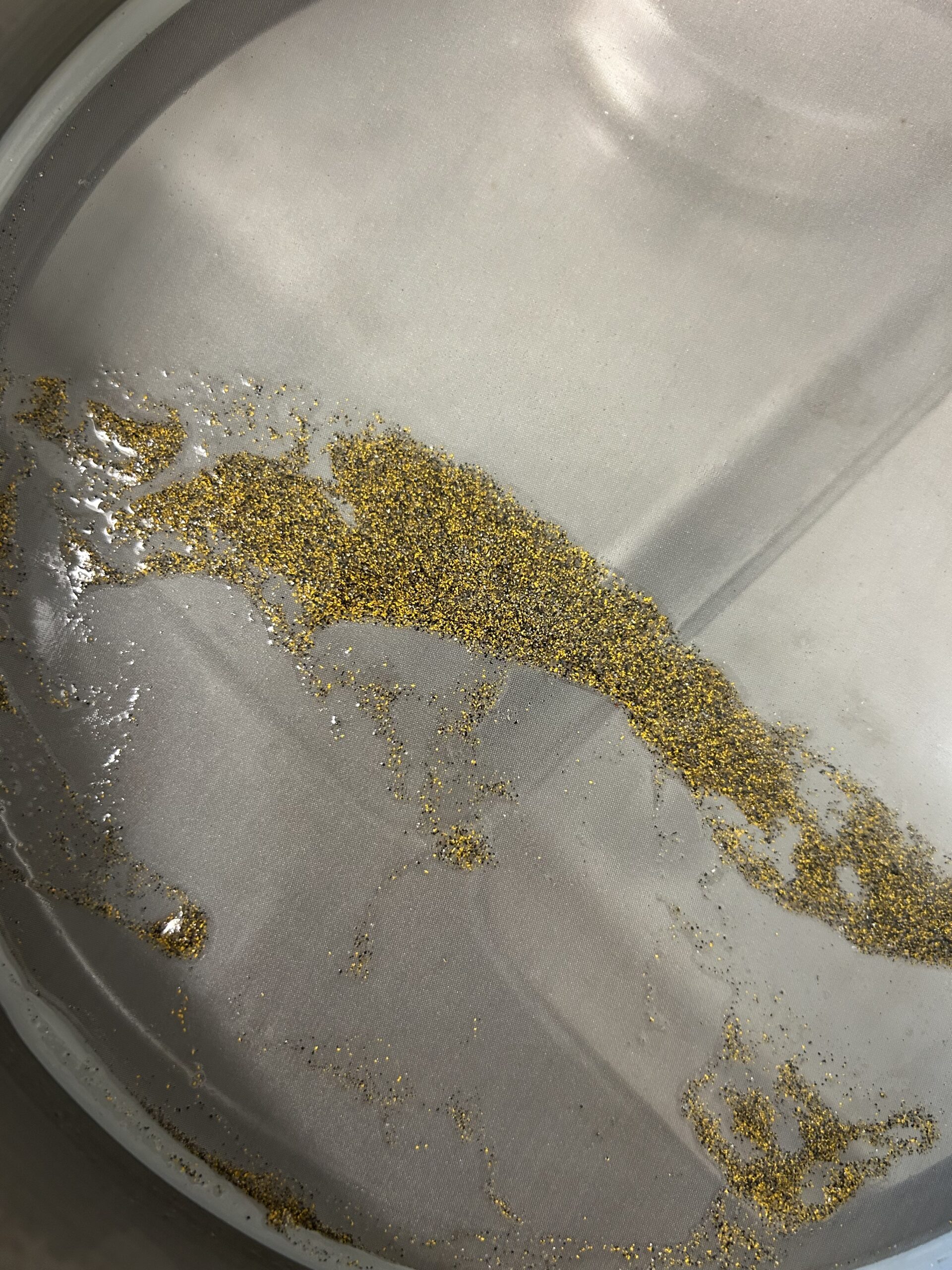
Ocean Conservancy is currently working to:
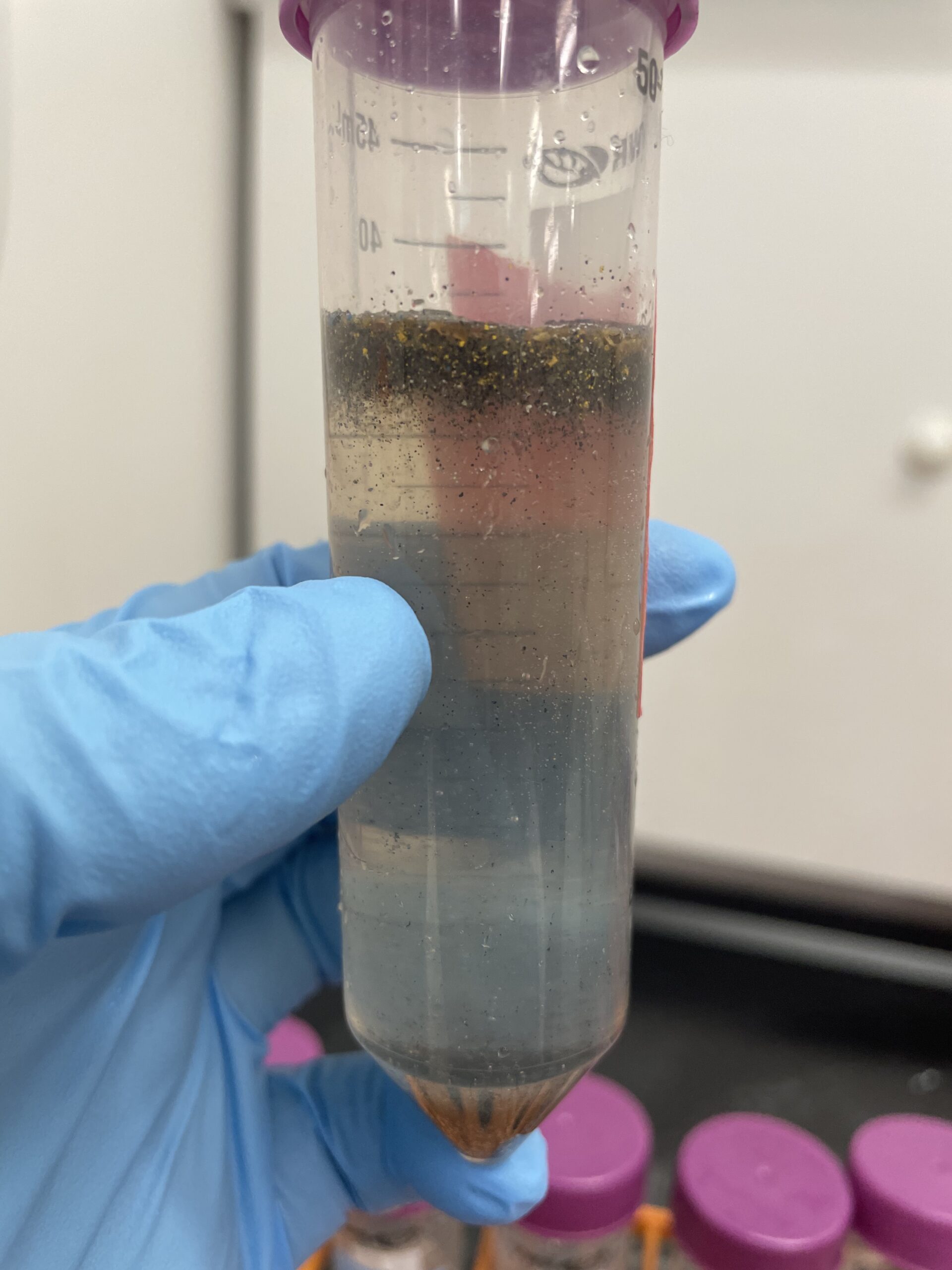
- Quantify the scale of pollution: Collect road dust samples from 30 cities globally to measure both total microplastic and tire wear particle concentrations and determine how different variables (population density, road size, rainfall) might influence those values.
- Assess feasibility: Determine what it would take realistically—logistically, financially and spatially—to scale up green infrastructure across an entire city.
- Model positive impacts: Estimate how much city-scale green infrastructure could reduce tire wear particle pollution entering aquatic ecosystems.
- Compare across cities: Understand how well these solutions might translate across different urban contexts, focusing on Portland, Oregon; Toronto, Canada; and London, England as case-study cities.
- Make our findings accessible: Produce a public-facing toolkit to help city planners, engineers and advocates guide real-world implementation of infrastructure that captures tire-wire particles.
By pairing rigorous science with practical guidance, we hope to help cities move from asking “Could this work?” to confidently building solutions that we know can be effective.
Give today and make a difference!
How can I help?
Tire wear particle pollution can feel like an overwhelming problem. After all, it’s tied to transportation, which most of us rely on every day. But that’s exactly why research like this matters: It gives us a real, near-term path forward that doesn’t require waiting for the entire global transportation system to change first.
You can help by staying engaged with Ocean Conservancy as we continue to dig into solutions for the plastic pollution crisis—one roadway, one storm drain and one city at a time. Together, we can keep working toward a world and ocean free of plastic pollution, forever and for everyone.
Recommended Reads
