
STATEMENT: California’s Better Bag Ban Goes into Effect Jan 1, Eliminating Exception for Thicker Bags
Peer-Reviewed Study Shows that Plastic Bag Bans Result in 25-47% Reduction of Plastic Bags in the Environment Where Implemented
SACRAMENTO – Today, California’s improved plastic bag ban went into effect. California’s previous bag ban, first passed in 2024, had allowed for thicker plastic film bags under the guise that they were “reusable.” CalRecycle (California’s Department of Resources Recycling and Recovery) found that these thicker bags were often not reused and instead treated like single-use bags, paving the way for this amendment to the legislation.
In response to this news, Ocean Conservancy’s Director of Plastics Policy Dr. Anja Brandon, released the following statement:
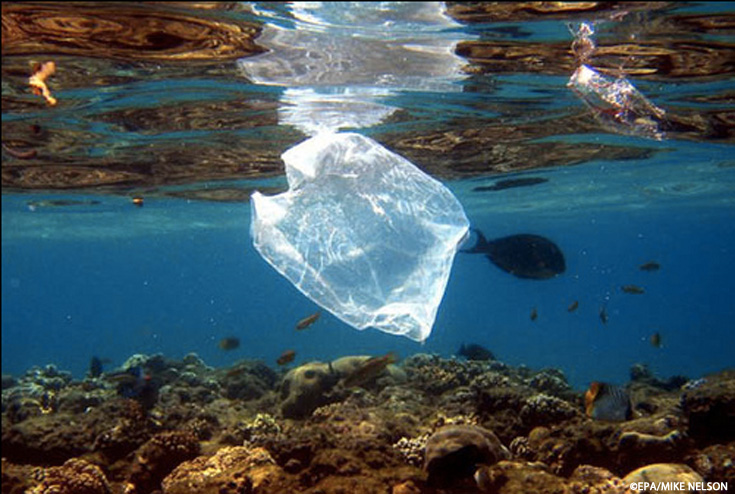
“2026 marks a new chapter in tackling plastic pollution in California, as the first year the state will have a true plastic bag ban. By removing the exception for thicker plastic bags, California will finally live up to its intended goal of eliminating plastic grocery bags, which is great news for the ocean and Californians fed up with plastic pollution. Plastic grocery bags are not only one of the most common plastics polluting our beaches, but also one of the top five deadliest forms of plastic pollution to marine life.”
Key plastic bag pollution figures:
- Americans use 100 billion plastic grocery bags each year, and on average, plastic grocery bags are used for only 12 minutes before being thrown away.
- A peer-reviewed study from 2025 showed that plastic bag bans result in 25-47% reduction of plastic bags in the environment where implemented.
- Plastic bags were among the top five deadliest forms of ocean plastic pollution, according to Ocean Conservancy research from 2017. Turtles and other sea life often mistake plastic bags for jellyfish and ingest them.
- In 2025, Ocean Conservancy-led peer-reviewed research calculated how much plastic is deadly to certain marine animals if ingested, and found that, for example, less than a tennis ball’s worth of soft plastics (like grocery bags) has a 50% chance of killing a harbor seal.
- In compiling the data for this research, the scientists reviewed numerous instances where plastic bags directly killed a range of marine animals, from sperm whales and Risso’s dolphins to manatees and green sea turtles. In most of these cases, their death was caused by plastic bags blocking their intestinal tract.
- Since 1986, Ocean Conservancy’s International Coastal Cleanup® (ICC) volunteers have collected nearly 3 million plastic grocery bags from beaches and waterways in the United States, with 700,000 plastic bags from beaches and waterways in California alone.
- In seven of the 10 years before the new ban passed, grocery bags were ranked in the top 10 most commonly collected items by California Coastal Cleanup Day volunteers, where they cleaned up enough plastic bags to span the length of the Golden Gate Bridge nearly 30 times.
###
ABOUT OCEAN CONSERVANCY
For more than 50 years, Ocean Conservancy has delivered effective, evidence-based solutions for the ocean and all who depend on it. Today, we continue to unite science, people and policy to protect our ocean from the greatest challenges it faces: climate change, plastic pollution and biodiversity loss. We are a 501(C)3 headquartered in Washington, D.C. that inspires a worldwide network of partners, advocates and supporters through our comprehensive and clear-eyed approach to ocean conservation. Together, we are securing a healthy ocean and a thriving planet, forever and for everyone. For more information, visit oceanconservancy.org, or follow us on LinkedIn, Facebook, X (formerly Twitter), Bluesky or Instagram.
Media Contact
Recommended Reads
