
STATEMENT: Court Grants Preliminary Injunction to Stop Red Snapper Fishing “Free-for-All”
State Response Pushes Forward with Overfishing Plan, ‘Risks Putting Us Right Back to What Led to This Lawsuit in the First Place”
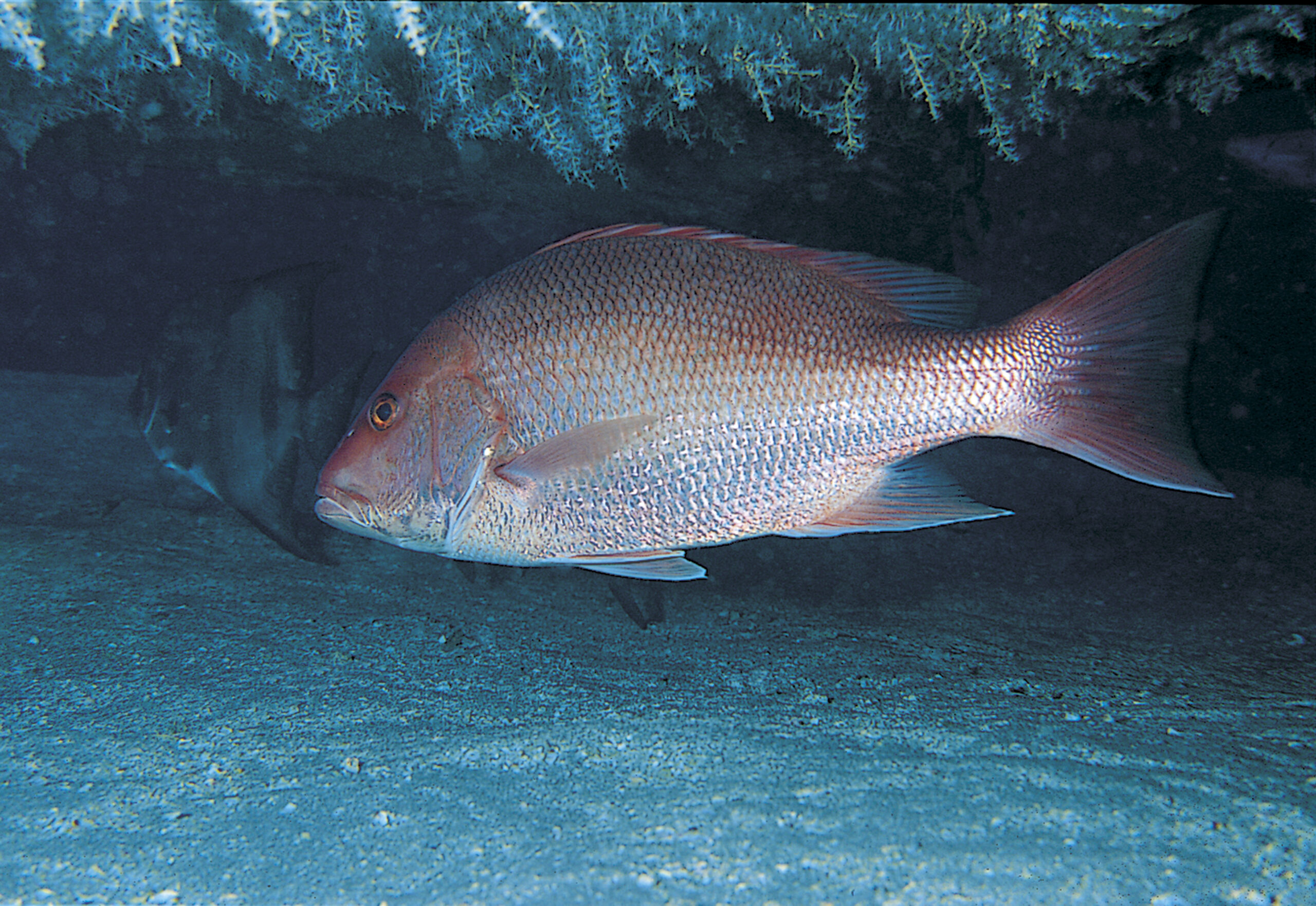
WASHINGTON – A court halted a planned red snapper fishing “free-for-all” that threatened fish populations and fisher livelihoods off the Atlantic coasts of Florida, Georgia, South Carolina, and North Carolina.
The U.S. District Court of the District of Columbia granted a preliminary injunction Thursday, May 21, in Southeastern Fisheries Association v. Lutnick (D.D.C.). That lawsuit challenged so-called “exempted fishing permits” the National Marine Fisheries Service approved May 1. An Ocean Conservancy analysis estimated that the exempted fishing permits would cause overfishing to the tune of 20x the sustainable catch limit, which is illegal under the nation’s federal fisheries law, the Magnuson-Stevens Fishery Conservation and Management Act.
Commercial fishing interests immediately sued to stop the dramatically extended recreational red snapper fishing seasons. Earthjustice and Ocean Conservancy filed an amicus brief in the case on May 18.
Florida’s Fish and Wildlife Conservation Commission is now asserting that it will hold its own extended red snapper season in state waters, which extend three nautical miles off the Atlantic coast. The move puts Florida’s fishing season at odds with federal regulations and the court’s injunction.
“We know that overfishing almost wiped out red snapper populations,” said Earthjustice Senior Attorney Andrea Treece. “That’s why years of science and agreements set up a framework to make sure there’s enough snapper year-to-year. It’s not smart to play politics like this with our shared public resources. The U.S. District Court ruled to stop the fishing free-for-all because the facts in the case are compelling enough to show it will harm red snapper stocks.”
“The injunction offers the first real hope that we might prevent overfishing from driving red snapper back into decline,” said Ocean Conservancy’s Senior Director of Fish Conservation Meredith Moore. “But I’m deeply concerned about the plan for fishing announced by the state of Florida. With no season length, no estimate on catch, and no guarantees that fishing will be restricted to state waters, Florida’s plan risks putting us right back to what led to this lawsuit in the first place. Science simply does not support allowing fishing at this rate, and our coastal communities will ultimately pay the price.”
Overfishing drove the red snapper spawning population to just 11% of its historical levels in the 1990s and early 2000s. Because the fishery is open-access, meaning private anglers and for-hire fishermen can go fishing without any restrictions on numbers of participants, fishing seasons were reduced as part of a rebuilding plan set to last through 2044. While anglers are catching more red snapper as the stock recovers, the data show that the fish are still too young to reproduce at the rate needed to rebuild populations.
“It’s not intuitive because we associate fertility with a certain limited age range, but elsewhere in the animal kingdom, that’s not how it works,” said Dr. Michael Drexler, a fisheries scientist at Ocean Conservancy based out of Florida. “Older fish are the backbone of a healthy fish population because they produce more eggs, spawn more reliably, and help stabilize populations during environmental change, so seeing more young fish in the water is a good thing but not the signal we should be looking at for the long term.”
###
Notes for Reporters
Ocean Conservancy used available data to estimate the amount of fish that could be caught with exempted permits in federal waters. The annual catch limit for the recreational sector is 22,797 fish. A recent two-day red snapper fishing season in Florida alone resulted in 24,885 landed fish, which exceeds that limit. A simple expansion using this Florida landings rate and ignoring the contribution from other states – which will have even longer fishing seasons – suggests that as many as 485,000 fish could be landed in a 39-day season – more than 20 times the annual catch limit and a clear violation of the Magnuson-Stevens Act.
Frequently asked questions about red snapper exempted fishing permits are here.
Background information on red snapper, exempted fishing permits and the Magnuson-Stevens Act are here.
About Ocean Conservancy
For more than 50 years, Ocean Conservancy has delivered effective, evidence-based solutions for the ocean and all who depend on it. Today, we continue to unite science, people and policy to protect our ocean from the greatest challenges it faces: climate change, plastic pollution and biodiversity loss. We are a 501(C)3 headquartered in Washington, D.C. that inspires a worldwide network of partners, advocates and supporters through our comprehensive and clear-eyed approach to ocean conservation. Together, we are securing a healthy ocean and a thriving planet, forever and for everyone. For more information, visit oceanconservancy.org, or follow us on LinkedIn, Facebook, X (formerly Twitter), Bluesky or Instagram.
About Earthjustice
Earthjustice is the premier environmental law organization in the U.S., and the legal backbone of the domestic environmental movement. For over 50 years, we have been fighting in the courts, in legislatures, and in the court of public opinion to stop the climate crisis, create healthy communities free of pollution, safeguard our precious lands and waters, and expand environmental legal frameworks to achieve these goals. Earthjustice.org
Media Contact
Recommended Reads
