
POLL: Nearly 9 in 10 Americans Concerned by Microplastic Impacts, 8 in 10 Support Mandate for Washing Machine Filters
Polling Released Ahead of Plastic Free JulyTM, New Ocean Conservancy Campaign to Tackle Microplastic Fiber Pollution “Not Safe for Wash”
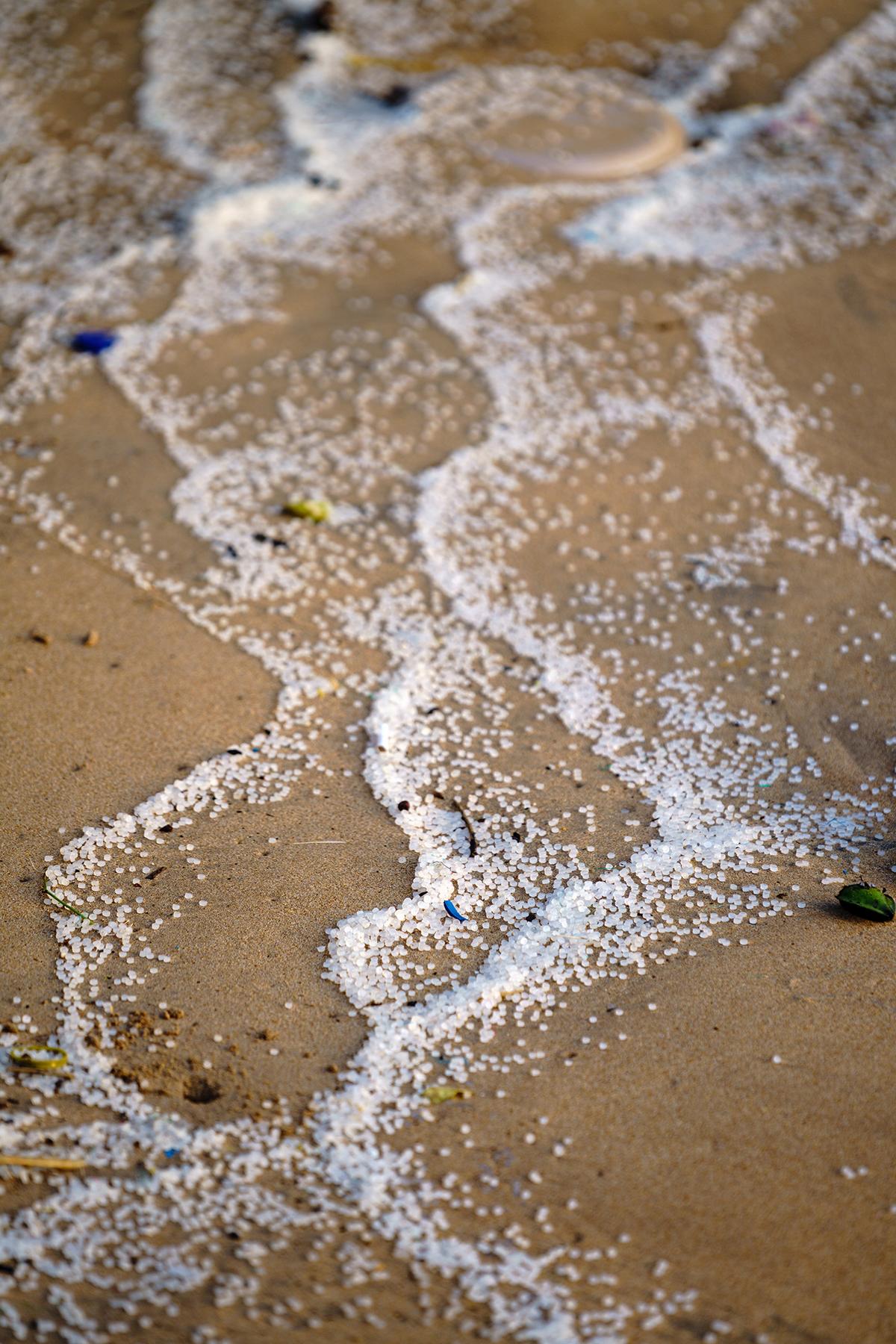
WASHINGTON – Today, Ocean Conservancy released results from a survey of Americans’ attitudes toward ocean plastic pollution and microplastics. The polling was conducted in collaboration with Edge Research in May 2026 with a nationally representative sample of 1,010 U.S. adults 18 years of age and older. The results revealed a sharp spike in awareness of microplastics since 2023, and large majorities of Americans across the political spectrum are both concerned about the impacts of microplastics and support policies aimed at addressing plastic pollution.
Top takeaways from polling:
- Microplastics are a growing conversation and concern for Americans: since 2023, awareness of microplastics has jumped 32%.
- Nearly 9 in 10 Americans are concerned about the impacts of microplastics; over 6 in 10 are “very” concerned.
- 8 in 10 (81%) Americans support requiring microplastic fiber (also known as plastic microfiber) filters on all new washing machines made in the U.S.
- A summary of the polling results with more details on all of the above figures can be found HERE.
“As a scientist, I am deeply concerned about the impacts of microplastics, and our polling shows that the vast majority of Americans share my concerns,” said Ocean Conservancy’s Director of Plastics Science Dr. Britta Baechler, who has studied plastic pollution for over a decade, including researching microplastics in shellfish and edible proteins, as well as published award-winning peer-reviewed research on the deadliness of plastic ingestion to marine life. “Microplastics are entering the ocean and environment at an alarming rate, and we simply cannot keep looking the other way – our health, our children’s health, and the health of our planet are at stake.”
In animals, ingestion of microplastics has been shown to reduce food consumption, reduce energy for growth, alter gene expression, and block digestive tracts. Microplastic fibers – the most common type of microplastics reported in environmental samples – represent over 90% of microplastics ingested by marine life. Also found throughout the human body, microplastic fibers have been found in the human heart, placenta and other organs.
Studies have found that more than one-third of all microplastics in the ocean come from synthetic textiles like clothing. Microplastic fibers are generated across the full lifecycle of clothing, from their manufacture to normal wear and laundering, and in large numbers. For example, up to 18 million microfibers are released from a single load of laundry. Washing machine filters are a proven solution to this problem, capturing up to 90% of microfibers from each load of laundry, preventing them from moving downstream into waterways and the ocean.
“Once in the ocean, microplastics are nearly impossible to remove, so preventing them from reaching the environment in the first place is key,” said Ocean Conservancy’s Director of Plastics Policy Dr. Anja Brandon, an environmental engineer by training who has helped draft landmark state and national legislation regulating plastic pollution in recent years. “Washing machine filters are a cheap and effective solution we can start using now to address one of the biggest sources of microplastics in the environment. Requiring these filters on new washing machines is a common sense approach that the vast majority of Americans across the political spectrum support.”
The results of this polling coincide with the launch of Ocean Conservancy’s campaign “Not Safe For Wash” to advocate for tackling microplastic fiber pollution by requiring filters on washing machines. In 2026 alone, five states had washing machine filter legislation under consideration, and in 2025, the Fighting Fibers Act was reintroduced in Congress (originally introduced in 2024).
In addition to pushing for policy solutions to microplastics, Ocean Conservancy advocates for a range of solutions to plastic pollution at the local, state, federal and international levels, such as California’s SB54, Florida’s balloon release ban, the Farewell to Foam Act, the UN Plastics Treaty and more. Ocean Conservancy is also home to the International Coastal Cleanup® – the largest single day beach and waterway cleanup in the world, which mobilizes hundreds of thousands of volunteers annually to remove millions of pounds of trash – and the Global Ghost Gear Initiative™, the largest international alliance dedicated to solving the issue of lost or abandoned fishing gear, also known as ghost gear, which is pound for pound the deadliest form of plastic pollution to marine life.
A summary of the polling results can be found HERE.
A factsheet about microplastic fibers can be found HERE.
Ocean Conservancy’s Fibers to Filters report can be found HERE.
###
ABOUT OCEAN CONSERVANCY
For more than 50 years, Ocean Conservancy has delivered effective, evidence-based solutions for the ocean and all who depend on it. Today, we continue to unite science, people and policy to protect our ocean from the greatest challenges it faces: climate change, plastic pollution and biodiversity loss. We are a 501(C)3 headquartered in Washington, D.C. that inspires a worldwide network of partners, advocates and supporters through our comprehensive and clear-eyed approach to ocean conservation. Together, we are securing a healthy ocean and a thriving planet, forever and for everyone. For more information, visit oceanconservancy.org, or follow us on LinkedIn, Facebook, X (formerly Twitter), Bluesky or Instagram.
Media Contact
Recommended Reads
