
NEWS: Alaska’s Marine Ecosystems in the Balance as Regulators Consider Changing Ocean Protections
October Meetings Will Consider Administration Request on Marine Mammal Protections; Bring Together Federal and State Regulators to Discuss Trawl Loophole
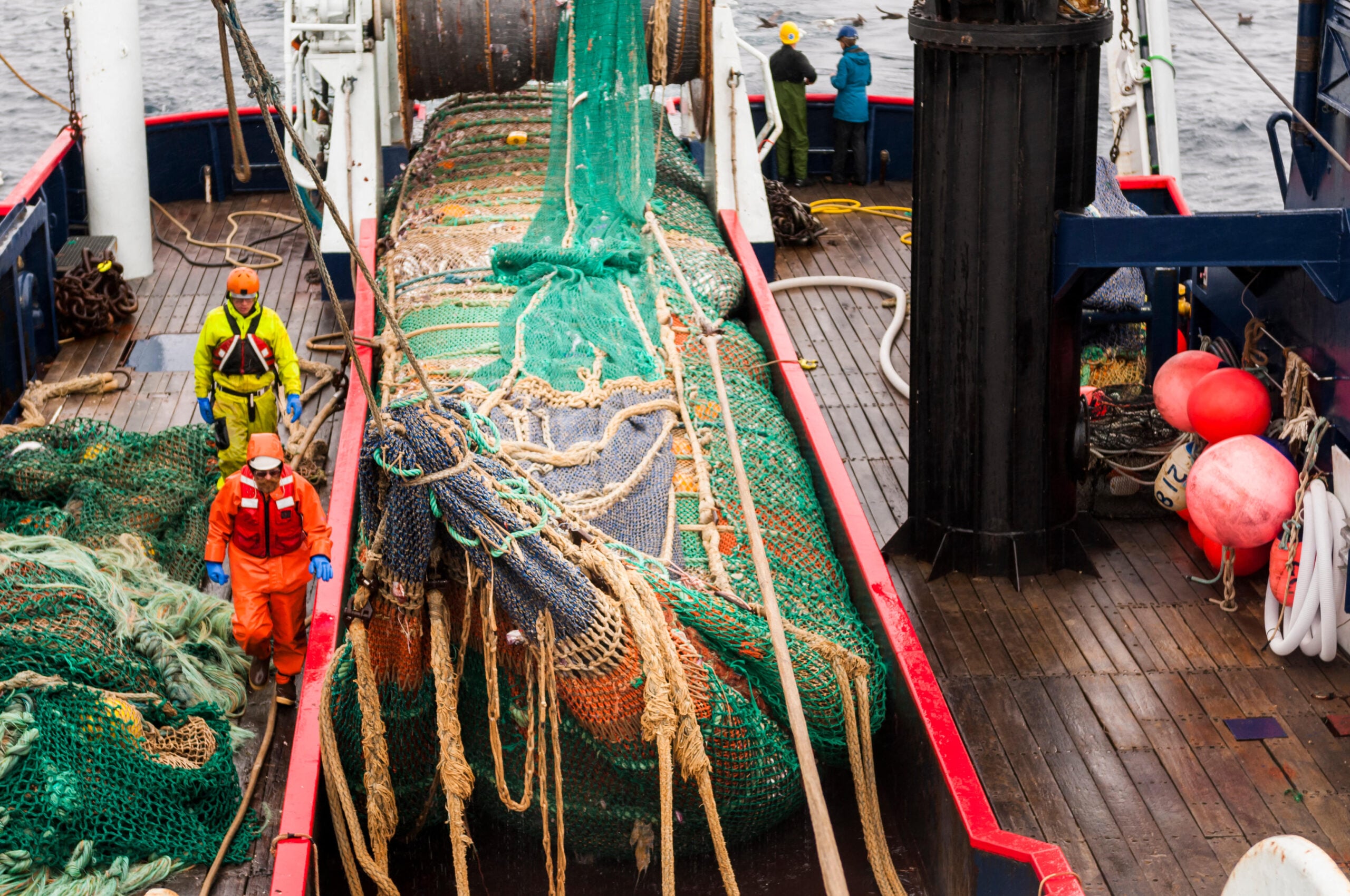
ANCHORAGE, Alaska – Two October meetings could have big implications for hundreds of thousands of square miles of protected areas in Alaskan waters. During the North Pacific Fishery Management Council meeting October 8 through 13, council members will consider a directive from the Trump administration to review fishing closures that prevent trawlers from fishing around Steller sea lion rookeries and haulouts. Just days later, the North Pacific Fishery Management Council will meet with the Alaska Board of Fish to discuss regulations that allow so-called ‘midwater’ trawlers fishing for pollock to drag nets across the seafloor in areas closed to bottom trawling.
“Alaska’s fisheries depend on healthy, diverse marine ecosystems,” said Ocean Conservancy’s Fisheries Scientist Dr. Megan Williams, who holds a doctorate in fisheries management from the University of Alaska Fairbanks. “Trawling in Alaska is in need of comprehensive reform, yet we continue to see efforts to weaken protections for seafloor habitat and keystone species. This is chipping away at the biodiversity that Alaska’s fisheries and communities depend on. These protections were put in place for a reason. We must reject attempts to circumvent them or scrap them outright.”
The head of the National Marine Fisheries Service, Eugenio Piñeiro Soler, sent a letter to the North Pacific Fishery Management Council asking them to “modify and shrink closures” that protect endangered Western Steller sea lions, an issue on the current meeting agenda. These animals, the largest species of sea lion in the world, are climate sensitive and are known to have declined during the last Super El Niño, a label used when Pacific Ocean temperatures rise by more than two degrees Celsius, affecting both Alaskan waters and international weather. The restrictions at risk protect pups and females around their rookeries and haulouts, where they breed, rest, and forage for fish species like pollock and Atka mackerel. With another Super El Niño on the way and populations just 10% of what they were 50 years ago, shrinking these protections would further endanger this population without meaningful benefit to trawl fisheries that already meet their total allowable catch each year.
The ‘Joint Protocol’ meeting between the North Pacific Fishery Management Council and the Alaska Board of Fish on October 16th will evaluate trawl fishery management in state and federal fisheries. Currently, so-called ‘midwater’ trawlers are allowed to drag their nets across the seafloor, even in protected areas closed to bottom trawling, and are not required to carry technology to reduce bycatch, known as salmon excluders, in state waters. In the face of mounting pressure from Alaskans, both bodies have considered reforms to trawl fisheries, including requiring a minimum standard for nets to stay off the seafloor, but no policies have yet been implemented. After the October 16 meeting, Alaska Board of Fish members have the opportunity to propose standards for so-called ‘midwater’ trawl performance during their work session starting October 28.
###
ABOUT OCEAN CONSERVANCY
For more than 50 years, Ocean Conservancy has delivered effective, evidence-based solutions for the ocean and all who depend on it. Today, we continue to unite science, people and policy to protect our ocean from the greatest challenges it faces: climate change, plastic pollution and biodiversity loss. We are a 501(C)3 headquartered in Washington, D.C. that inspires a worldwide network of partners, advocates and supporters through our comprehensive and clear-eyed approach to ocean conservation. Together, we are securing a healthy ocean and a thriving planet, forever and for everyone. For more information, visit oceanconservancy.org, or follow us on LinkedIn, Facebook, X (formerly Twitter), Bluesky or Instagram.
Media Contact
Recommended Reads
