
PHOTOS/VIDEO: Over 430 Volunteers Remove Nearly 2,200 Pounds of Trash from Anacostia Park
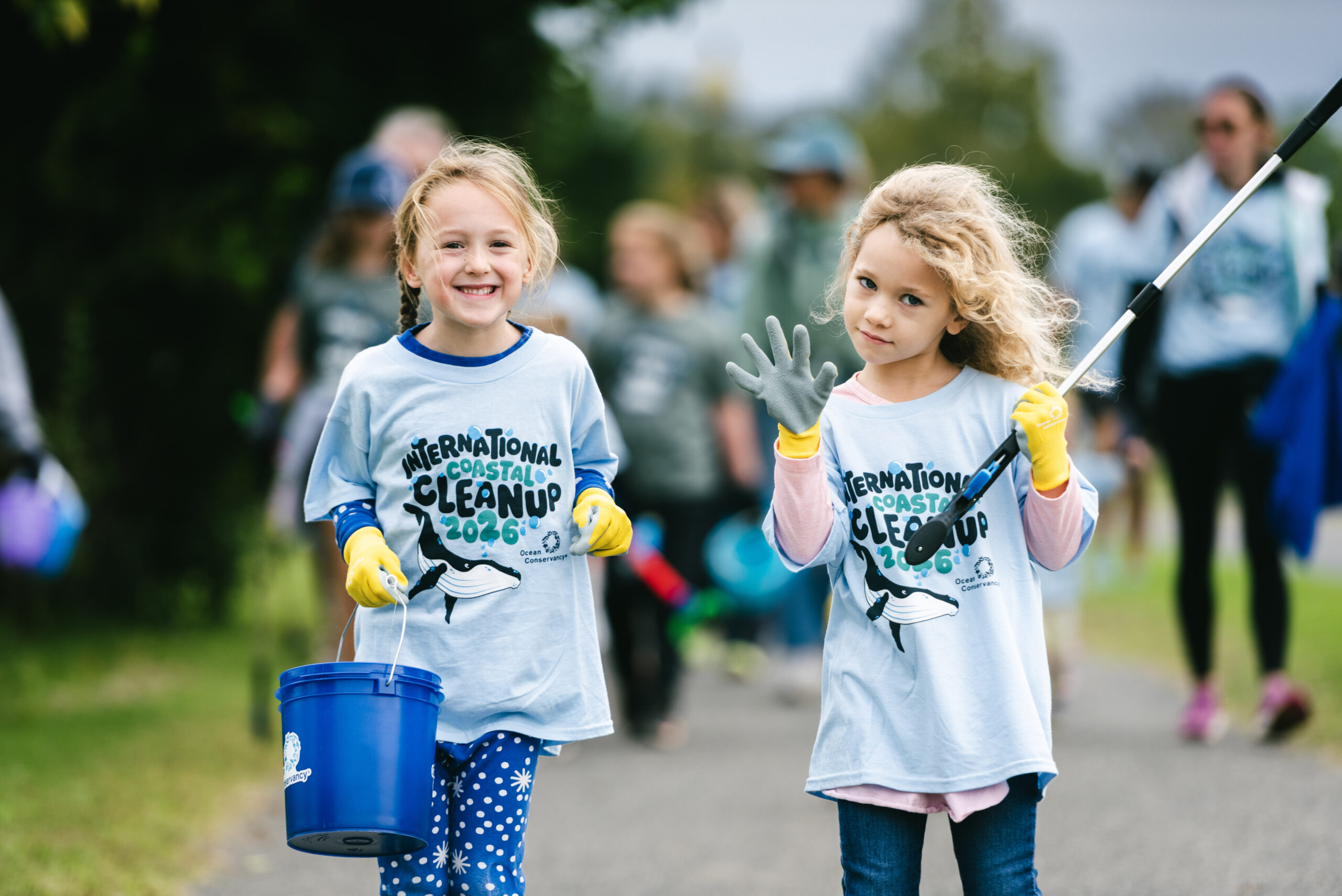
WASHINGTON – Today, as part of Ocean Conservancy’s 41st annual International Coastal Cleanup® (ICC), 439 volunteers collected 2,182 pounds of trash from Anacostia Park in Washington, D.C. The ICC is an annual, global effort to remove trash from beaches and waterways around the world. Since the start of the ICC in 1986, nearly 20 million volunteers have joined local cleanup efforts to remove over 400 million pounds of trash – equivalent to over 27,000 pounds every single day for 40 years.
“I am so grateful to all of the volunteers who came out today for our ocean – and every volunteer who has made the last 41 years of impact possible,” said Ocean Conservancy’s Senior Director of Conservation Cleanups, Allison Schutes. “Every piece of plastic collected helps protect marine animals and habitats and contributes to research and advocacy.”
While the majority of trash collected consisted of the usual single-use items like plastic beverage bottles, cigarette butts, and bottle caps, volunteers also turned up unique finds like a boogie board, a tire, metal tongs, a doll, a flip-flop, a fishing rod and more.
Scientists estimate that every year, more than 11 million metric tons of plastic waste enter the ocean and have been documented to be ingested by nearly 1,300 species of marine life, including seabirds, sea turtles, and marine mammals. According to a recent Ocean Conservancy-led study, even small amounts of plastic pollution can be deadly to marine life when ingested. For example, less than three sugar cubes of plastic is enough to kill a seabird.
In addition to the direct benefit of removing trash from the environment, the data collected by ICC volunteers using the Clean Swell® app or paper data sheets contribute to Ocean Conservancy’s marine debris database — the world’s largest repository of marine debris data. It is used to inform scientists, conservation groups, and governments, and fuels plastic pollution prevention and advocacy efforts. ICC data was recently used in a peer-reviewed study that shows plastic bag bans lead to reduced plastic bag pollution. ICC data has also been instrumental in spurring policy change – from being used to promote California’s SB 54, to the Florida balloon release ban, to the federal Farewell to Foam Act.
If you would like to set up an interview with one of Ocean Conservancy’s experts, please contact Roya Fox at [email protected] or 202.280.6285.
Photos and videos from today’s event can be found HERE.
The International Coastal Cleanup media kit with photos, b-roll and data can be found HERE.
You can find toplines from the 2025 ICC data HERE.
You can find the full 2025 ICC report HERE.
###
ABOUT OCEAN CONSERVANCY For more than 50 years, Ocean Conservancy has delivered effective, evidence-based solutions for the ocean and all who depend on it. Today, we continue to unite science, people and policy to protect our ocean from the greatest challenges it faces: climate change, plastic pollution and biodiversity loss. We are a 501(C)3 headquartered in Washington, D.C. that inspires a worldwide network of partners, advocates and supporters through our comprehensive and clear-eyed approach to ocean conservation. Together, we are securing a healthy ocean and a thriving planet, forever and for everyone. For more information, visit oceanconservancy.org, or follow us on LinkedIn, Facebook, X (formerly Twitter), Bluesky or Instagram.
Media Contact
Recommended Reads
