
NEWS: New Report Shows Investments in Clean Shipbuilding and Port Electrification Could Create More than 110,000 U.S. Jobs
Clean Shipbuilding Would Create Twice as Many Jobs as Investments in Oil and Gas Extraction
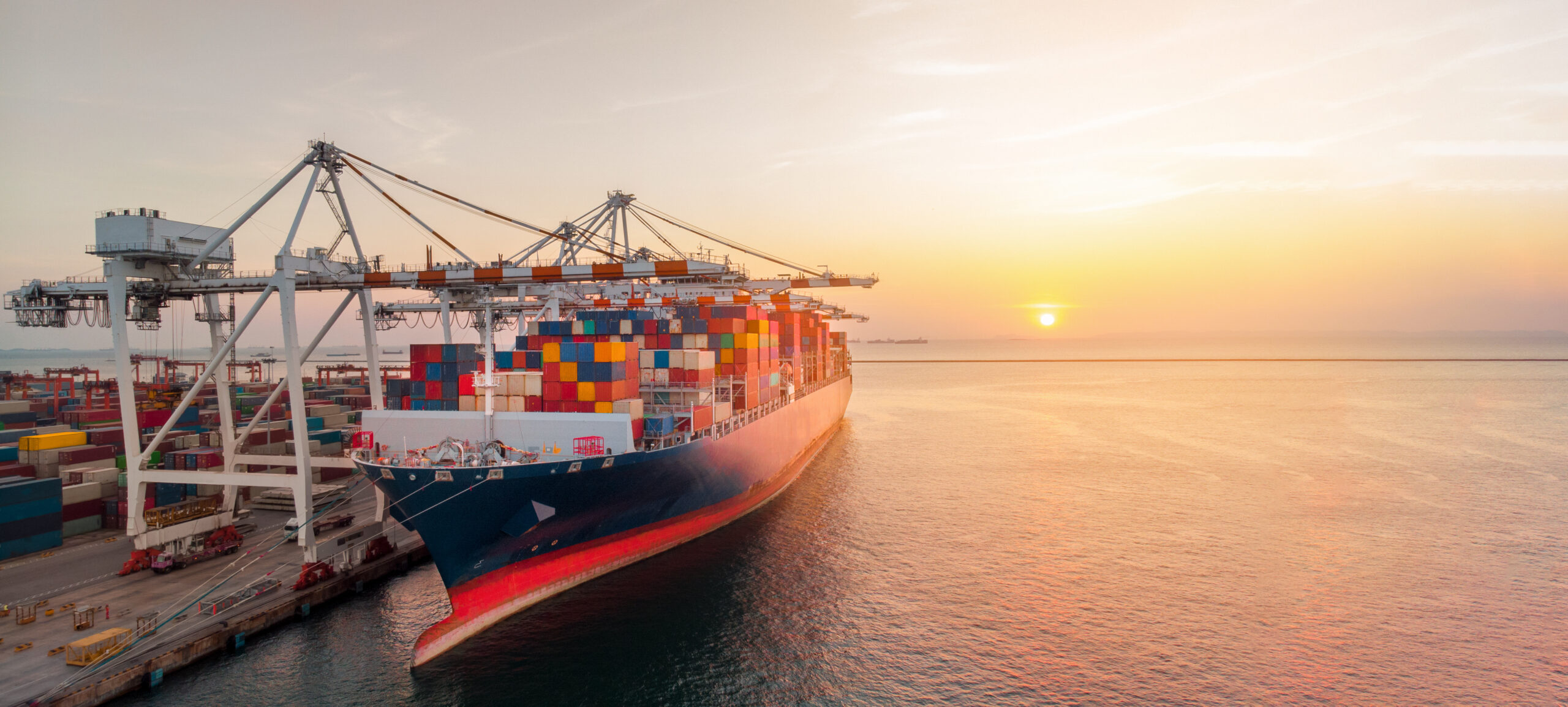
WASHINGTON—A new economic analysis commissioned by Ocean Conservancy and released today finds that increasing federal investments in zero-emission shipbuilding and port modernization, as proposed in two federal bills, could create 110,400 U.S. jobs in the next 10 years – a significantly greater number than comparable investments in other sectors.
The report, “Shipping and Ports Decarbonization Transition: Analysis of Potential Jobs Impact in the U.S.”, comes a year and half after the Trump administration released an executive order seeking to bolster domestic shipbuilding and the maritime workforce, and just ahead of the International Maritime Organization’s Net Zero Framework negotiations happening in London later this month to address global shipping emissions. If shipping were a country, it would be the sixth-largest emitter of greenhouse gases. Six million cases of childhood asthma around the world can be linked to shipping emissions annually.
“When we invest in clean American shipbuilding, we’re not just building ships, we’re building careers and buoying entire communities for years to come,” said Caroline Bonfield, Ocean Conservancy’s senior U.S. policy manager for climate and an expert on U.S. shipping issues.
The report looks at the impact of the Next Generation Shipping Act and the International Maritime Pollution Accountability Act, which combined could provide approximately $10.6 billion over ten years in zero-emission shipbuilding and related infrastructure investments.
The analysis, conducted by consulting firm Energy and Environmental Research Associates, estimates that the two bills together could create 110,400 new jobs, and the Next Generation Shipping act alone would generate approximately $60 million to $245 million more income for workers through wages, salaries, and benefits than general government spending or things like road or rail infrastructure investment.
The results are especially impressive when considering the “job multiplier” effects of other industries examined by the Economic Policy Institute: For example, looking at direct, indirect, and induced jobs (those generated when workers in the direct and indirect categories spend their labor income on housing, healthcare, retail, and other consumer goods and services) together, oil and gas extraction creates 4.61 jobs per $1 million invested; while the Next Generation Shipping Act would create 10.82 jobs and the International Maritime Pollution Accountability Act would create 11.05 jobs for that same investment.
“This really is a no-brainer: Building cleaner ships in American shipyards means good jobs for more workers and cleaner air for the families who live and work near our ports,” said Bonfield. “This is the future we can and should be building.”
The report finds that pairing zero-emission shipbuilding with port modernization would deliver the strongest benefits, creating more U.S. jobs and keeping more investment in the domestic economy than the other spending scenarios examined. Port electrification and modernization on its own can generate employment on par with traditional infrastructure and government spending, while also strengthening U.S. port competitiveness, reducing pollution, and accelerating the transition to cleaner shipping.
Currently, the U.S. shipbuilding sector consists of 174 private shipyards spread across 29 states and the U.S. Virgin Islands, with facilities located primarily along the coasts, the Great Lakes, and major inland waterways such as the Mississippi River.
In 2019, the U.S. government estimated that the shipbuilding industry supported $42.4 billion in GDP nationwide, with each position in the sector supporting an estimated 2.67 additional jobs in the broader economy. Ocean Conservancy’s analysis concludes that the two bills would “stimulate the domestic economy and establish maritime industrial bases, creating a high volume of skilled, labor-intensive roles.”
###
ABOUT OCEAN CONSERVANCY
For more than 50 years, Ocean Conservancy has delivered effective, evidence-based solutions for the ocean and all who depend on it. Today, we continue to unite science, people and policy to protect our ocean from the greatest challenges it faces: climate change, plastic pollution and biodiversity loss. We are a 501(C)3 headquartered in Washington, D.C. that inspires a worldwide network of partners, advocates and supporters through our comprehensive and clear-eyed approach to ocean conservation. Together, we are securing a healthy ocean and a thriving planet, forever and for everyone. For more information, visit oceanconservancy.org, or follow us on LinkedIn, Facebook, X (formerly Twitter), Bluesky or Instagram.
Media Contact
Recommended Reads
