
MEDIA AVAILABILITY: Ocean Advocates Call on Spring Breakers to Pick Up Beach Trash, Measure Impact with New Calculator
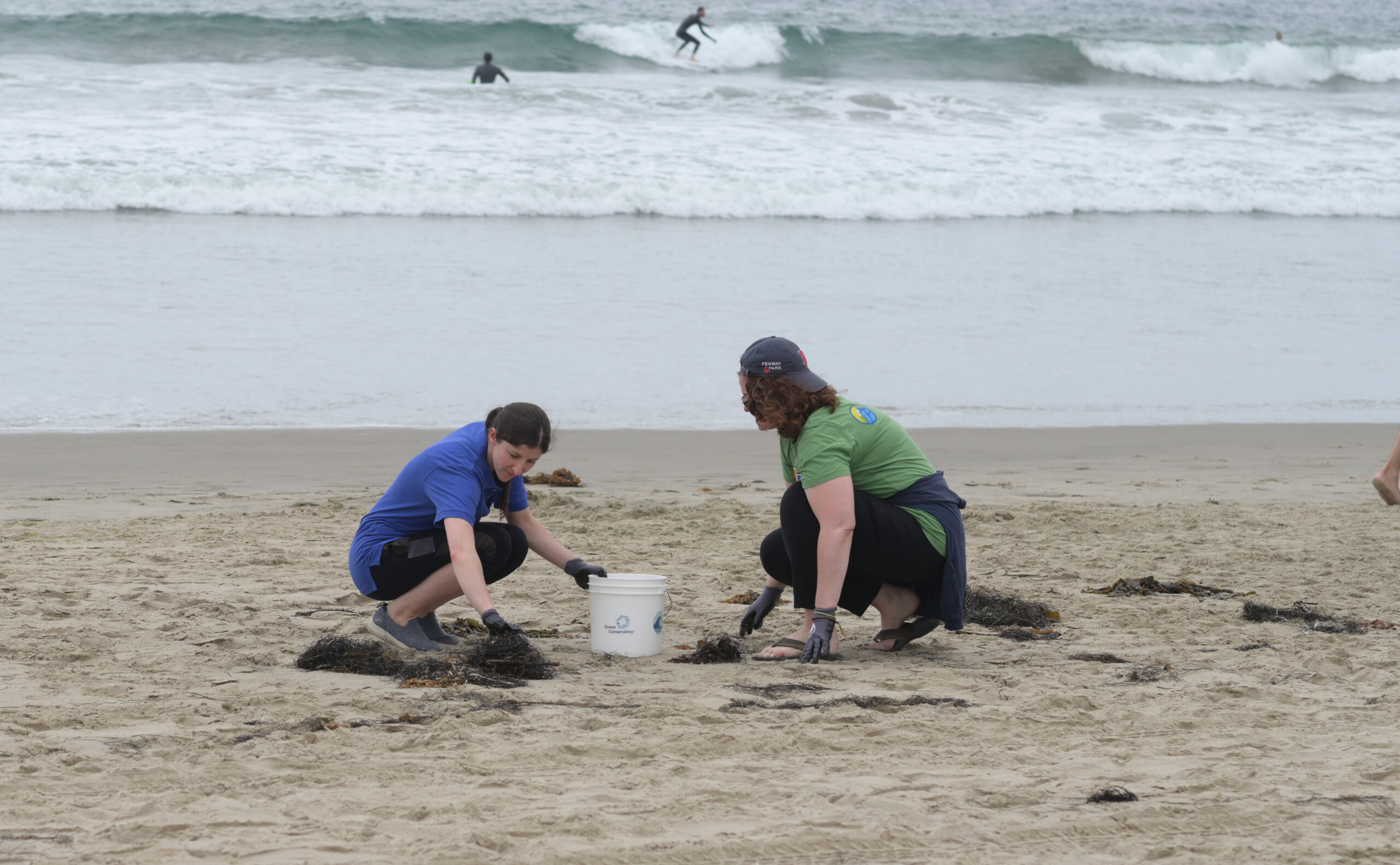
WASHINGTON – Ahead of Earth Month and while many students are enjoying beautiful beaches across the country during their spring break, Ocean Conservancy has launched a free, publicly available website, WildlifeImpactCalculator.org, to enable people who clean up beaches and waterways to measure how many marine animals they are helping protect with their efforts.
Ocean Conservancy is calling on students oceanside around the country to spend a few minutes of their time on the sand to join the global effort to stop ocean plastic pollution by:
- Downloading Ocean Conservancy’s CleanSwell app, where they can become citizen scientists by tracking the items they pick up and contributing to Ocean Conservancy’s global ocean trash database.
- Entering the totals of each item collected into WildlifeImpactCalculator.org to see how many marine animals they helped protect by cleaning up those items from the environment.
- Share your results and tag Ocean Conservancy @OurOcean on X/Twitter, @OceanConservancy.org on Bluesky or @OceanConservancy everwhere else.
Ocean Conservancy experts are available to discuss:
- Ocean Conservancy’s new Wildlife Impact Calculator
- How spring breakers can be part of the solution to plastic pollution
- The importance of cleanups in protecting the ocean
- Effective policies to prevent and mitigate plastic pollution
Wildlife Impact Calculator website users can enter the number of specific plastic items collected from a beach or waterway to see how many animal lives would have been at risk had those items been ingested. The tool incorporates over 20 types of plastic pollution that have been found inside marine animals, including fishing debris, bottle caps, plastic fragments, lids, straws, plastic utensils, plastic bottles, plastic/foam plates, balloons, plastic bags and food wrappers, up to 9,999 pieces for each item type. These types of plastic are among the most commonly found items polluting beaches and waterways worldwide by the millions of volunteers who have taken part in Ocean Conservancy’s International Coastal Cleanup®(ICC) over its 40-year history.
Ocean Conservancy’s CleanSwell app automatically feeds into the organization’s TIDES database, the world’s largest ocean trash database. The data collected contributes to plastics research and policy advocacy such as peer-reviewed research showing that plastic bag bans are effective, and policies like Florida’s balloon release ban, the Farewell to Foam Act, and California’s landmark plastics law, SB54.
You can find photos and videos of cleanups, plastic pollution and marine life HERE.
Learn more about the research underpinning the calculator HERE.
You can find an FAQ page HERE.
###
Experts available for interviews about the calculator include:
- Dr. Britta Baechler, co-author of the study underlying the calculator and Ocean Conservancy’s director of ocean plastics research. Dr. Baechler has also led primary research on varied topics related to the distribution and impacts of plastic pollution, including the prevalence of microplastics in the human food system, movement of trash from inland out to sea and public knowledge and perceptions of the plastic pollution issue. Based in Portland, Oregon.
- Nicholas Mallos, co-author of the study underlying the calculator and Ocean Conservancy’s vice president of conservation, where he oversees the organization’s global portfolio of work on ocean plastic pollution including the International Coastal Cleanup, U.S. and international plastics policy, and scientific research. Based in Portland, Oregon.
- Dr. Erin Murphy, lead co-author of the study underlying the calculator and Ocean Conservancy’s manager of ocean plastic research, where she conducts policy-relevant scientific research to better address the social and ecological impacts of plastic pollution on marine ecosystems and coastal communities. Based in Anchorage, Alaska.
- Allison Schutes, Ocean Conservancy’s senior director of conservation cleanups with nearly two decades of marine conservation experience, and more than a decade of experience leading the International Coastal Cleanup (ICC) and the 400+ partner organizations that make up the network. In this time, she has conducted and participated in cleanups on every continent except Antarctica – from Alaska to Australia, from China to Chile. Based in Washington, D.C..
ABOUT OCEAN CONSERVANCY
For more than 50 years, Ocean Conservancy has delivered effective, evidence-based solutions for the ocean and all who depend on it. Today, we continue to unite science, people and policy to protect our ocean from the greatest challenges it faces: climate change, plastic pollution and biodiversity loss. We are a 501(C)3 headquartered in Washington, D.C. that inspires a worldwide network of partners, advocates and supporters through our comprehensive and clear-eyed approach to ocean conservation. Together, we are securing a healthy ocean and a thriving planet, forever and for everyone. For more information, visit oceanconservancy.org, or follow us on LinkedIn, Facebook, X (formerly Twitter), Bluesky or Instagram.
Media Contact
Recommended Reads
