
NEWS: Ocean Conservancy Integrates Award-Winning Scientific Research into Citizen Science App Ahead of 2026 International Coastal Cleanup
Volunteers Can Instantly See the Potential Impact of Beach Cleanups on Seabirds, Sea Turtles and Marine Mammals
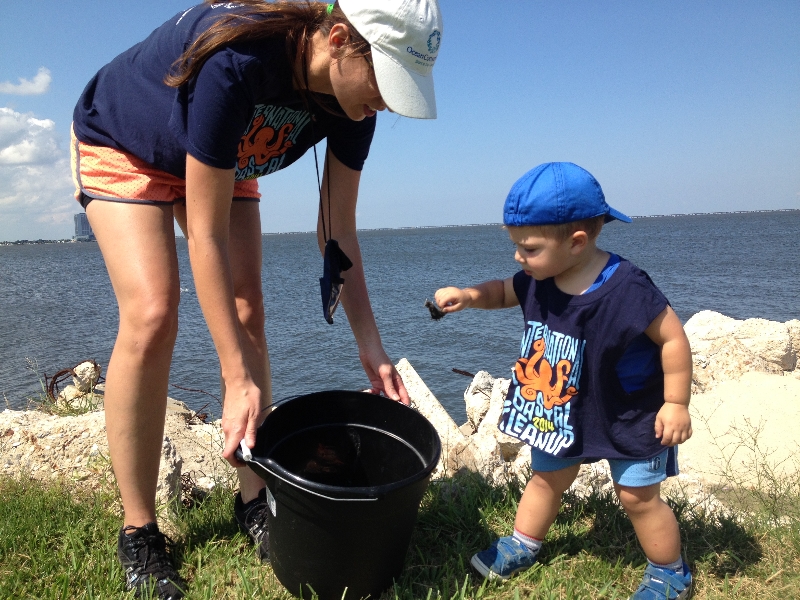
WASHINGTON – Ahead of the 2026 International Coastal Cleanup® (ICC), Ocean Conservancy has added a new feature, the Wildlife Impact Calculator, to their Clean Swell® mobile app, enabling volunteers to determine how many seabirds, sea turtles and marine mammals they are helping protect with their efforts. Now in its 41st year, the International Coastal Cleanup is held every September, mobilizing hundreds of thousands of volunteers in over 100 countries worldwide. The new feature is available now in Clean Swell, which has over 300,000 users globally.
“Every piece of plastic cleaned up from our shores is one less threat to the life of a marine animal, and our calculator shows just how much of a difference a single cleanup can make,” said Ocean Conservancy’s Senior Director of Conservation Cleanups Allison Schutes. “We invite volunteers around the world to join this year’s International Coastal Cleanup and calculate the impact of their efforts in Clean Swell.”
Clean Swell users track specific items collected from their cleanup, which contributes to the world’s largest ocean trash database that is used to inform ocean plastics research and advocacy.
With the new integration of the Wildlife Impact Calculator into Clean Swell, once a user finishes their cleanup, an estimate will appear of how many animal lives would have been at risk had the plastics from the cleanup been ingested. The tool incorporates over 20 types of plastic pollution that have been found inside marine animals, including fishing debris, bottle caps, plastic fragments, lids, straws, plastic utensils, plastic bottles, plastic/foam plates, balloons, plastic bags and food wrappers.
Ocean Conservancy originally launched the Wildlife Impact Calculator in March as a standalone website, WildlifeImpactCalculator.org. Underlying the Calculator is Ocean Conservancy-led award-winning peer-reviewed research published in the Proceedings of the National Academy of Sciences (PNAS) that quantifies the deadly dose of macroplastics (plastic pieces larger than the length of a pencil eraser) ingested by seabirds, sea turtles and marine mammals. This month’s Clean Swell integration marks the first time volunteers will be able to estimate their impact so quickly and clearly.
“We wanted to make the research as easy to understand as possible and give people the ability to measure the difference they can make,” said Ocean Conservancy’s Senior Manager of Ocean Plastics Research Dr. Erin Murphy, lead co-author of the study underlying the Wildlife Impact Calculator. “The models informing the calculator look at amounts of plastic in terms of pieces, but how does that relate to items that International Coastal Cleanup participants are removing from beaches? That’s what we wanted to show.”
An estimated 11 million metric tons of plastic flow into the ocean each year – one of the most pervasive global threats to ocean health. Scientists have documented that nearly 1,300 species across ocean ecosystems – from plankton to whales – ingest plastics. Since the first ICC in 1986, over 19 million volunteers have joined cleanup efforts to remove over 405 million pounds of trash from beaches and waterways worldwide.
In addition to leading the ICC and conducting novel plastics research, Ocean Conservancy advocates for strategies to reduce plastic pollution at the source and has been involved in promoting a range of solutions to plastic pollution at the local, state, federal, and international levels, such as California’s SB54, Florida’s balloon release ban, the federal Farewell to Foam Act, the UN Plastics Treaty, and more.
You can find the 2026 ICC Media Kit here.
Learn more about the research underpinning the calculator HERE.
You can find an FAQ page HERE.
###
ABOUT OCEAN CONSERVANCY For more than 50 years, Ocean Conservancy has delivered effective, evidence-based solutions for the ocean and all who depend on it. Today, we continue to unite science, people and policy to protect our ocean from the greatest challenges it faces: climate change, plastic pollution and biodiversity loss. We are a 501(C)3 headquartered in Washington, D.C. that inspires a worldwide network of partners, advocates and supporters through our comprehensive and clear-eyed approach to ocean conservation. Together, we are securing a healthy ocean and a thriving planet, forever and for everyone. For more information, visit oceanconservancy.org, or follow us on LinkedIn, Facebook, X (formerly Twitter), Bluesky or Instagram.
Media Contact
Recommended Reads
