
NEWS: Half of Plastic Bottles Entering North American Great Lakes, Ocean Waters Each Year May Come From as Far as 120 Miles Upriver, New Study Estimates
Peer-Reviewed Research Led by Ocean Conservancy, 10 Institutions Highlights Need for Upstream Interventions, Risk of Storm Activity and Urbanization
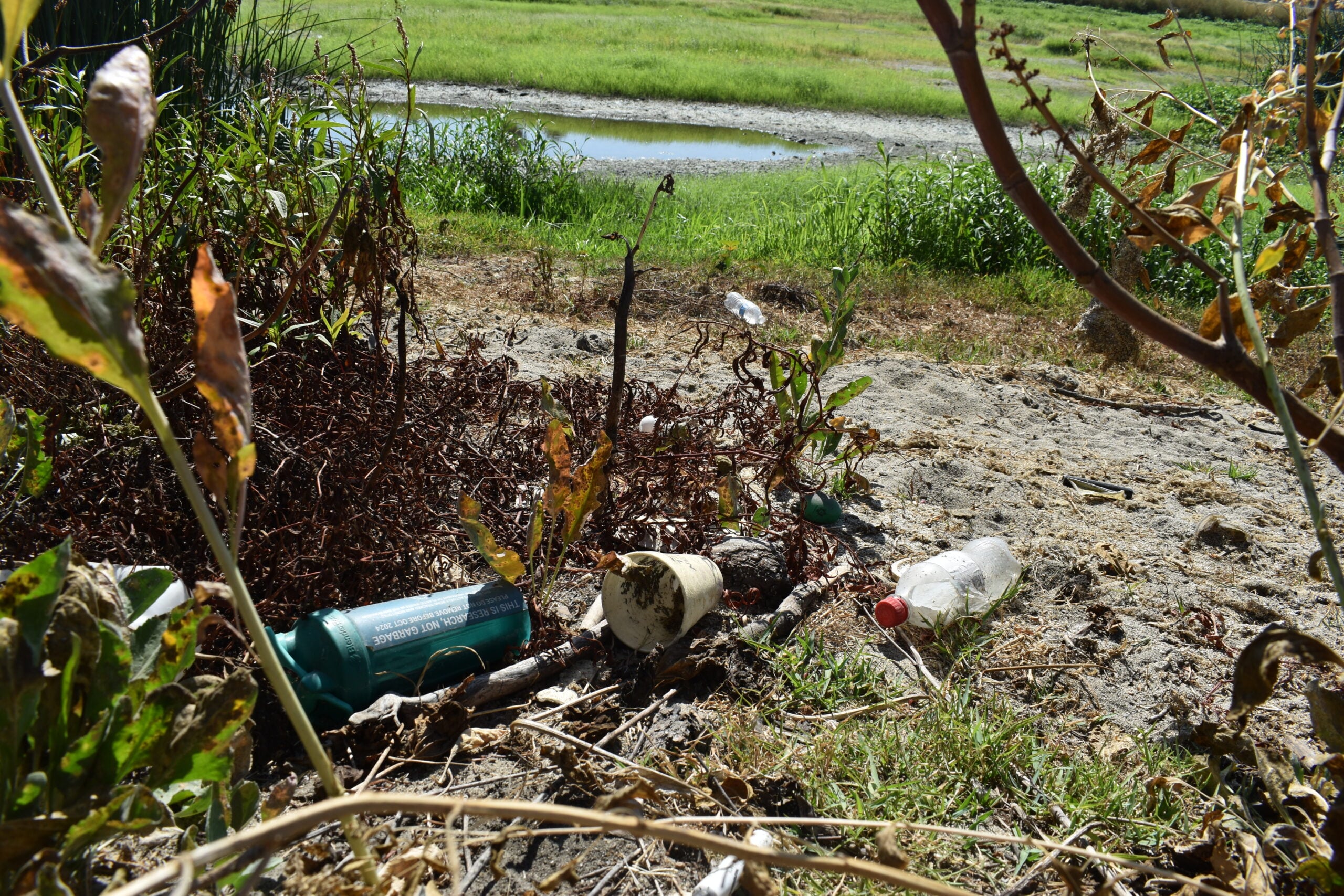
WASHINGTON – A new study published today in the peer-reviewed journal ACS ES&T Water and led by researchers at Ocean Conservancy, the University of New Hampshire, and 9 other institutions has concluded that 50% of plastic bottles entering North American Great Lakes or ocean waters each year originate from at least 16 km (~10 miles) and up to 200km (~120 miles) away.
While river flow (speed of the water) was a primary factor, the study, “GPS-Tracked Bottles in North American Rivers Show Marine Plastic Pollution Can Originate from Far Upstream,” also found that forest cover and urbanization were strong predictors of mobility: the more forest cover, the less likely a plastic bottle was to reach a coastal destination because the item would get trapped by wood, plants and other natural elements. Greater urbanization typically correlated with less forest cover, and therefore a higher likelihood of reaching a lake or ocean.
“We know that trash travels, but we wanted to better understand the biggest influencing factors on whether river trash will reach the sea,” said Ocean Conservancy’s Director of Ocean Plastics Science Dr. Britta Baechler, senior author of the study. “Plastic bottles are among the most prolific plastic pollutants we see out there. We’ve documented the massive impact they can have on marine life, and now we understand that many of them may be coming from far upstream.”
The research also found an intriguing paradox: The longer a bottle spent in a location, the less likely it was to move again; and yet the longer a bottle was out in the environment, the likelier it was to eventually reach the coast, pointing to the crucial role of extreme rain events in moving items downstream.
“Our experiment really highlights the complexity of ocean-bound or lake-bound plastics, because while bottles would get caught in woody debris in the channel or other vegetation, as they are stuck they experience larger storms that can more readily get them moving again,” said Dr. Shan Zuidema, a hydrologist at the University of New Hampshire and first author of the study.
The team of scientists examined the transport of more than 300 GPS-tracked plastic bottles over the course of a year across 30 stretches of river in seven coastal North American watersheds, including the San Francisco Bay Area, California; Los Angeles, California; Chicago, Illinois; Toronto, Ontario, Canada; Washington, D.C.; Miami, Florida; and Boston, Massachusetts. The locations were selected to represent varied watershed types (ranging from temperate to subtropical climates and mountainous to flat terrain) and development intensity (suburban to densely urban).
“While there are numerous studies examining the amount of plastic entering coastal environments from rivers, it is less understood where the actual plastic pollution is coming from and over what timescale,” said Dr. Baechler. “We are helping fill that knowledge gap with this study.”
Data from Ocean Conservancy’s 2025 International Coastal Cleanup, released this fall, showed that plastic beverage bottles and bottle caps were the number-one and number-three most commonly collected items around the world, respectively. Recent Ocean Conservancy-led peer reviewed research, also co-authored by Dr. Baechler, found that these items can be highly deadly to marine life. In that study, an albatross was found to have been killed by swallowing a plastic bottle whole, and hard plastics like bottle caps were identified as one of the deadliest plastics when ingested, especially for seabirds.
“Seeing that plastic bottles can travel from far inland all the way to the ocean is yet another point in favor of implementing pollution prevention measures everywhere, not just in coastal towns or communities,” said Ocean Conservancy’s Director of Plastics Policy Dr. Anja Brandon, an environmental engineer by training who has helped draft landmark state and national legislation regulating plastic pollution in recent years. “That includes bottle bills that incentivize the collection and recycling of these items before they end up in the environment, as well as cleanup efforts and trash traps, especially in urban areas.”
###
Photos and videos from the experiment as well as a PDF of the paper are available HERE
A fact sheet on plastic bottle pollution is available HERE
ABOUT OCEAN CONSERVANCY
For more than 50 years, Ocean Conservancy has delivered effective, evidence-based solutions for the ocean and all who depend on it. Today, we continue to unite science, people and policy to protect our ocean from the greatest challenges it faces: climate change, plastic pollution and biodiversity loss. We are a 501(C)3 headquartered in Washington, D.C. that inspires a worldwide network of partners, advocates and supporters through our comprehensive and clear-eyed approach to ocean conservation. Together, we are securing a healthy ocean and a thriving planet, forever and for everyone. For more information, visit oceanconservancy.org, or follow us on LinkedIn, Facebook, X (formerly Twitter), Bluesky or Instagram.
Media Contact
Recommended Reads
