
REPORT: New Beach Cleanup Report Reveals Plastic Beverage Bottles and Caps Most Prevalent Pollutants Worldwide
Over 1.3 Million Bottles, 885,000 Caps Collected by International Coastal Cleanup® Volunteers Worldwide in 2025
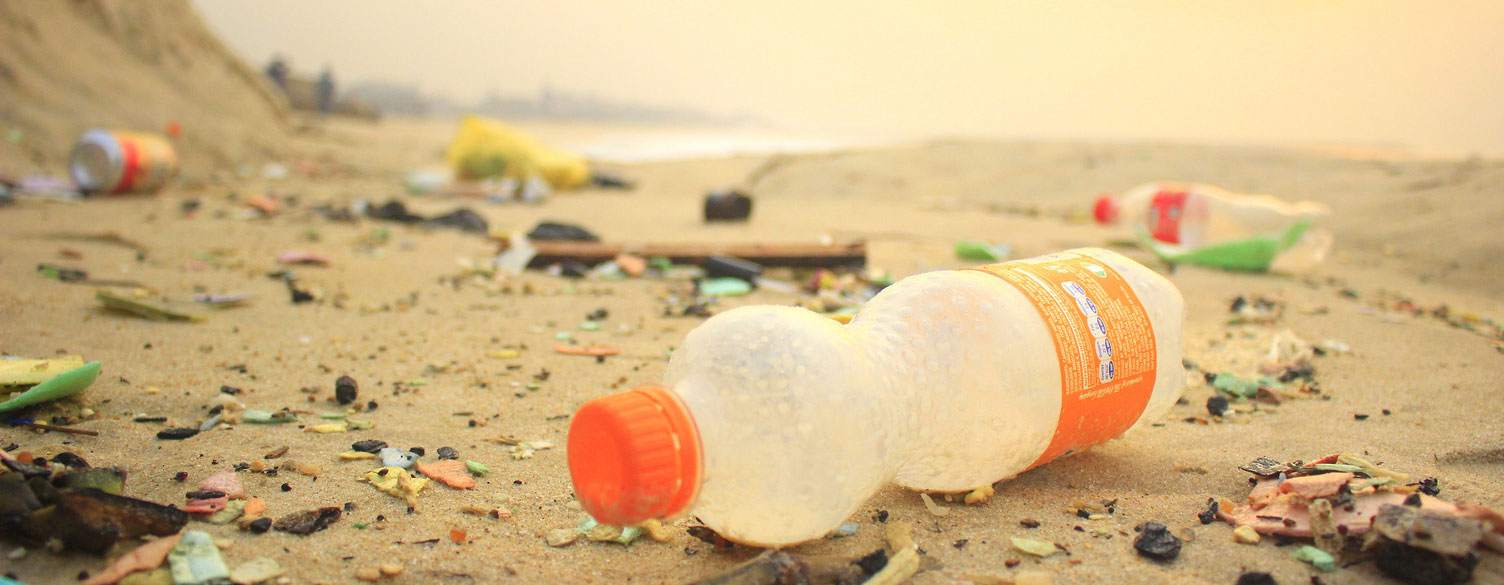
WASHINGTON – Today, Ocean Conservancy released results from the 2025 International Coastal Cleanup® (ICC) – the largest single-day beach and waterway cleanup in the world, which mobilizes hundreds of thousands of volunteers annually to remove millions of pounds of trash – revealing that volunteers collected 1,338,712 plastic bottles and 885,854 caps. This makes them the first and third most commonly found items polluting beaches and waterways worldwide.
“I have spent nearly 15 years conducting hundreds of cleanups all over the world, and whether we’re on the remote Alaskan coast or a tropical island hundreds of miles from land, we find bottles and caps at every cleanup,” said Ocean Conservancy’s Senior Director of Conservation Cleanups Allison Schutes. “Most bottles are used for mere minutes and yet can last in the environment forever. Our communities, our ocean, and our planet deserve better.”
Not only are plastic beverage bottles and bottle caps among the most prevalent types of plastic pollution, but Ocean Conservancy-led peer reviewed research also found these items can be highly deadly to marine life. An albatross was found to have been killed by swallowing a plastic bottle whole, and hard plastics like bottle caps are one of the deadliest plastics when ingested, especially for seabirds.
“There’s really no excuse for this – plastic bottles are among the most recyclable items out there, which tells us two important truths: one is that we are making too much plastic, and two is that a lot of our waste isn’t getting where it needs to go,” said Ocean Conservancy’s Director of Plastics Policy Dr. Anja Brandon, an environmental engineer by training who has helped draft landmark state and national legislation regulating plastic pollution in recent years. “Luckily this is fixable. Increasing access to recycling, including bottle deposit returns, and investing in reuse and refill infrastructure would go a long way in protecting the ocean from this common type of plastic pollution.”
In addition to leading the ICC, Ocean Conservancy has advocated for policies at the local, state and international levels to prevent plastic pollution in the first place, such as California’s SB54, better bag bans in California and Oregon, the Florida balloon release ban and the U.N. Plastics Treaty. Bottle deposit return schemes (bottle bills) and extended producer responsibility (EPR) – which make producers responsible for waste management costs of the products they create – are some of the most effective policies to reduce plastic bottle pollution. Currently, 10 states have bottle bills and four more have recently considered similar legislation. EPR policies have been passed in Maine, Oregon, Colorado, California, Minnesota, Washington and Maryland since 2021, and there are nearly a dozen more states where EPR legislation is being considered.
Since the first ICC in 1986, nearly 20 million volunteers have joined local cleanup efforts to remove over 405 million pounds of trash from beaches and waterways around the globe, all the while logging each item and building the world’s largest database on marine debris, totaling nearly 440 million items. The International Coastal Cleanup is held annually on the 3rd Saturday of September but has grown so large that thousands of cleanups happen throughout the month. Hundreds of coordinators around the world are currently preparing for this year’s event.
In addition to the direct benefit of removing trash from the environment, the ICC’s marine debris database has been used to inform scientists, conservation groups, governments and industry leaders about ocean trash to fuel plastic pollution prevention and advocacy efforts. ICC data were recently used in a peer-reviewed study that shows plastic bag bans lead to reduced plastic bag pollution. ICC data have also been instrumental in spurring policy change–from being used to promote California’s SB 54, the Florida balloon release ban, the Farewell to Foam Act and the U.N. Plastics Treaty.
“The International Coastal Cleanup results send a clear message: single-use plastics are polluting our ocean at an alarming rate. We hope that by sharing these findings, it will inspire policymakers to take the bold action needed to end ocean plastic pollution once and for all,” said Nick Mallos, Ocean Conservancy’s Vice President of Conservation, Ocean Plastics.
The 2026 ICC report can be found HERE.
A map and list of 2026 cleanups can be found HERE.
A factsheet about bottle litter can be found HERE.
The 2026 ICC media kit with bottle pollution images can be found HERE.
###
ABOUT OCEAN CONSERVANCY
For more than 50 years, Ocean Conservancy has delivered effective, evidence-based solutions for the ocean and all who depend on it. Today, we continue to unite science, people and policy to protect our ocean from the greatest challenges it faces: climate change, plastic pollution and biodiversity loss. We are a 501(C)3 headquartered in Washington, D.C. that inspires a worldwide network of partners, advocates and supporters through our comprehensive and clear-eyed approach to ocean conservation. Together, we are securing a healthy ocean and a thriving planet, forever and for everyone. For more information, visit oceanconservancy.org, or follow us on LinkedIn, Facebook, X (formerly Twitter), Bluesky or Instagram.
Media Contact
Recommended Reads
